In the world of industrial automation, ensuring the safety of workers and machines is paramount. One crucial component in safeguarding these operations is the Safety Relay. This small but powerful device plays a critical role in preventing accidents and protecting personnel by cutting off power during hazardous situations. This article explores the concept of Safety Relays, their working principles, applications, and advantages.
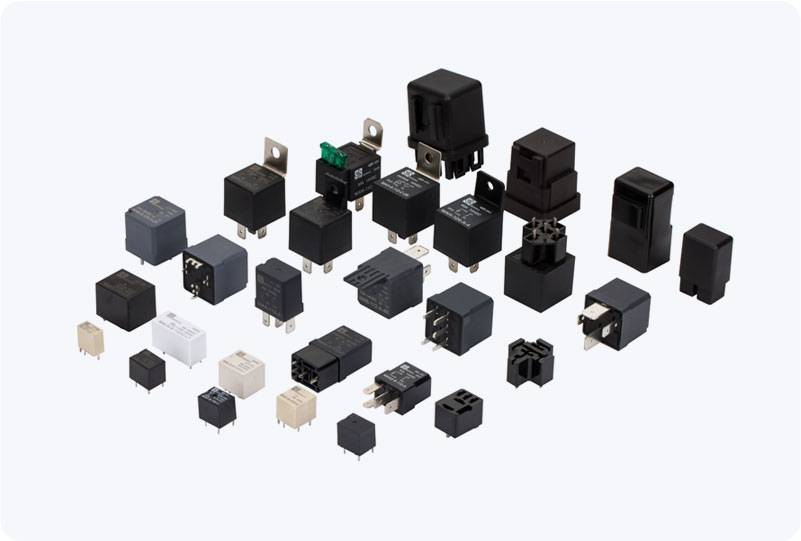
What is a Safety Relay? A Safety Relay is a type of relay used in safety circuits within industrial systems. Its primary function is to monitor and control safety-related inputs, such as emergency stop buttons, safety doors, or safety sensors, to ensure that any unsafe condition leads to the immediate shutdown or isolation of hazardous equipment. It is an essential component in machine safety systems and helps protect operators from machine hazards by cutting off power when necessary. How Does a Safety Relay Work? The working principle of a Safety Relay is based on detecting and responding to safety signals. When safety-related devices like emergency stop buttons, safety light curtains, or interlocking switches are activated, the Safety Relay detects these inputs and responds by triggering a shutdown or stop signal to connected machinery or processes.