In the world of industrial automation, control systems, and electrical engineering, industrial relays play a crucial role in ensuring that circuits operate efficiently and safely. These electromechanical devices act as switches that control high-power circuits using low-power electrical signals. Their versatility and reliability have made them indispensable in various industrial settings, from factory automation to motor control systems. This article delves into the fundamentals of industrial relays, their types, and their applications across different industries.
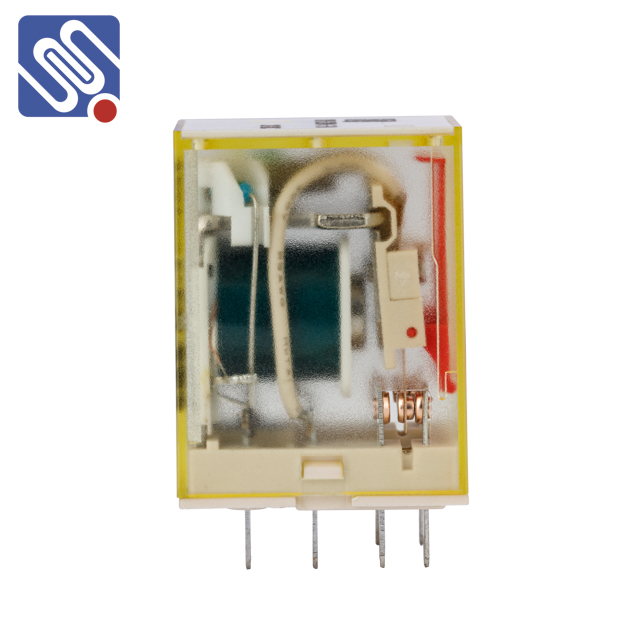
What is an Industrial Relay? An industrial relay is an electrically operated switch that allows one circuit to control another. The main function of a relay is to open or close a set of contacts, which in turn controls the flow of electricity to connected devices. The relay typically contains an electromagnet, which, when energized, activates a mechanical arm or switch to connect or disconnect electrical contacts. Industrial relays are designed to handle larger loads and more demanding operational environments than standard relays found in household appliances. Working Principle of Industrial Relays