The Role and Applications of Industrial Relays in Automation Systems
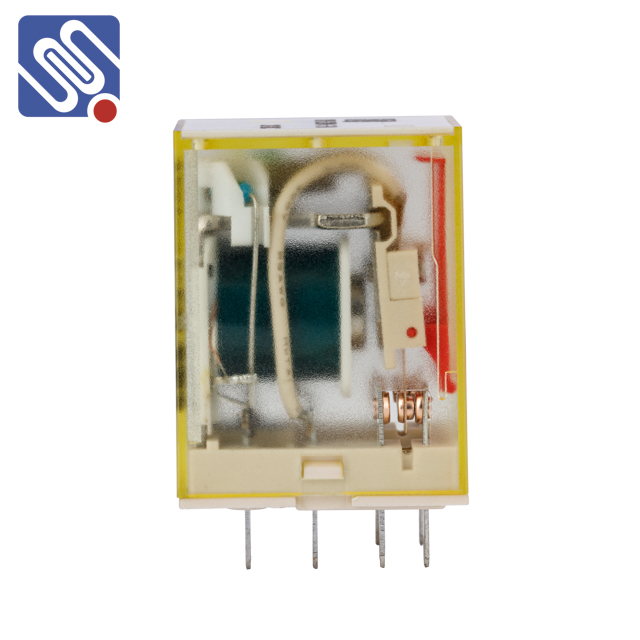
Industrial relays are vital components in the modern automation industry, where their primary role is to control and safeguard electrical systems. These devices serve as intermediaries between low-power circuits and high-power circuits, enabling seamless operations without the need for direct interaction between them. By automating various tasks and improving safety, industrial relays help enhance the efficiency and reliability of complex electrical systems across multiple industries. What is an Industrial Relay? At its core, an industrial relay is an electrical switch that opens and closes circuits based on the input signal it receives. Relays operate using electromagnetic principles. When an electrical current flows through a coil, it generates a magnetic field that moves the relay’s armature, which in turn changes the position of the contacts. This action either completes or breaks the circuit, depending on the type of relay. The relays can be designed to operate under specific conditions, such as time delays or overload protections, which makes them extremely versatile for a wide range of industrial applications.