A Water Solenoid Valve is a crucial component in many modern automation systems, providing an efficient method for controlling the flow of water. These valves are electrically operated and are widely used in industries, agriculture, water treatment, and domestic systems. In this article, we will explore the basic functionality, types, applications, and advantages of Water Solenoid Valves, shedding light on their vital role in various systems.
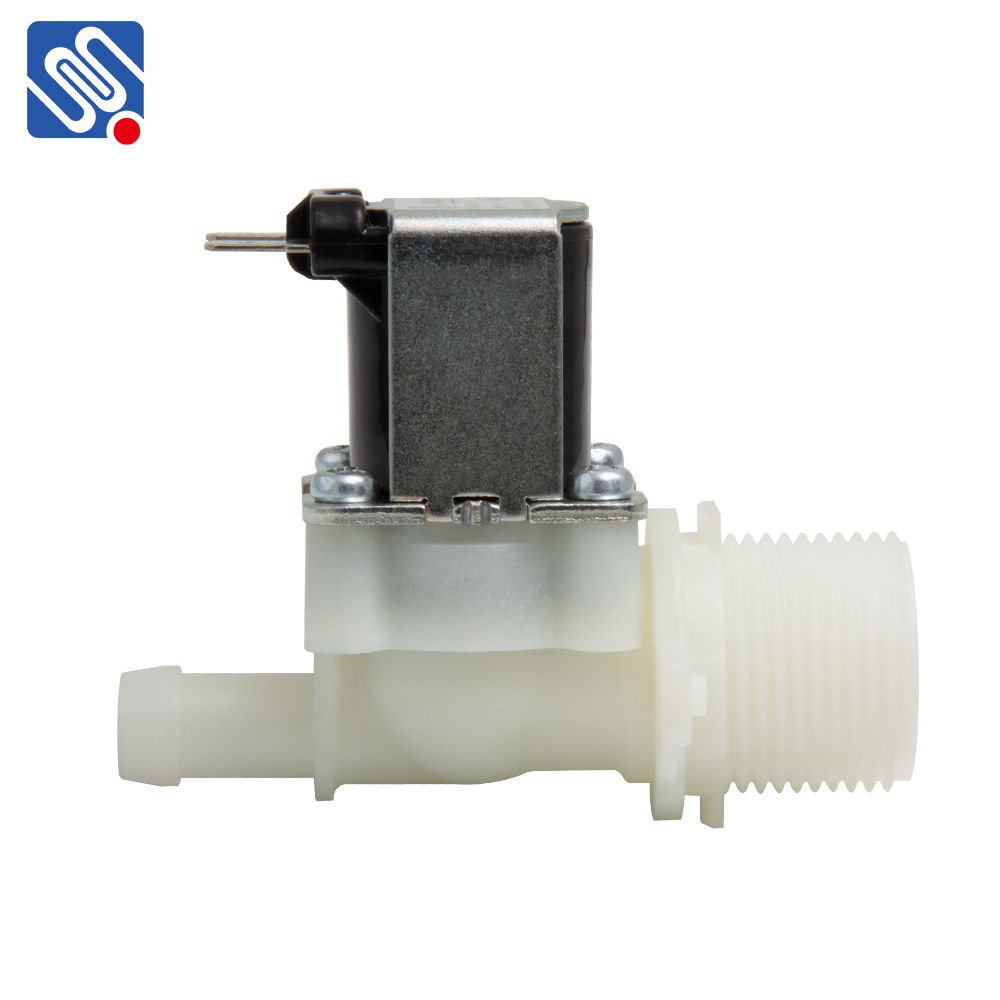
What is a Water Solenoid Valve? A Water Solenoid Valve is an automatic valve that regulates the flow of water by utilizing an electromagnetic solenoid to open or close the valve. It consists of an electromagnet (the solenoid) and a valve body. When an electrical current passes through the solenoid, it generates a magnetic field that either opens or closes the valve, depending on the design. This feature allows for the automation of water control without the need for manual intervention, making it an essential component in many modern systems. How Does a Water Solenoid Valve Work? The operation of a Water Solenoid Valve is simple yet effective. When electrical current flows through the solenoid coil, it creates a magnetic field that moves a plunger or armature. This movement either opens or closes the valve, depending on the type of solenoid valve.