Reverse Osmosis (RO) technology has become an essential part of modern water purification systems. It is widely used in households, industries, and even in medical facilities to ensure access to clean and safe water. One of the critical components of an RO system is the RO solenoid valve. This valve plays a pivotal role in regulating water flow and ensuring the system operates efficiently. In this article, we will explore the importance of the RO solenoid valve, how it works, and its applications in water treatment systems.
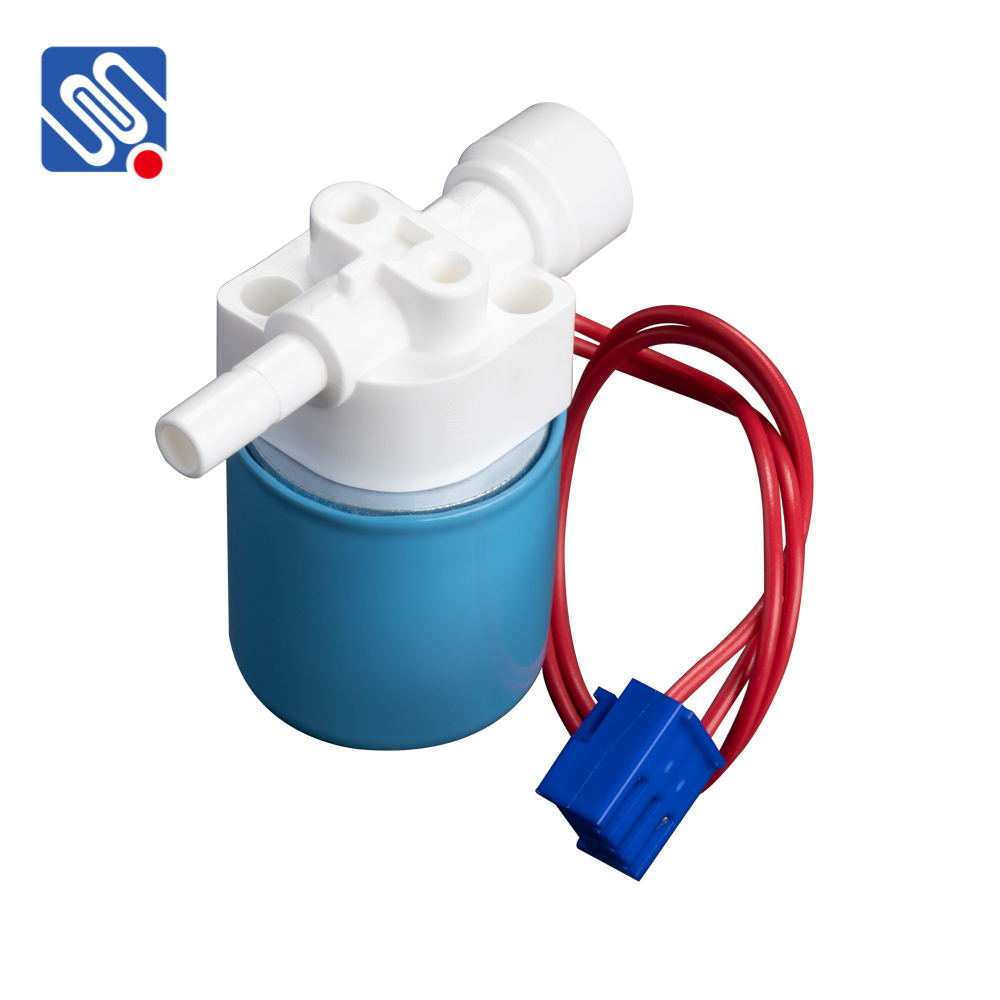
What is an RO Solenoid Valve? A solenoid valve is an electromechanical valve that uses a coil of wire (known as a solenoid) to generate a magnetic field when an electric current passes through it. This magnetic field actuates the valve, either opening or closing it to control the flow of water. In a Reverse Osmosis (RO) system, the solenoid valve is employed to manage the water flow through the filtration process. It is designed to open or close automatically in response to an electrical signal, enabling precise control over water distribution within the system. How Does the RO Solenoid Valve Work?