Electric vehicles (EVs) are at the forefront of the automotive industry’s transition to sustainable energy. As more automakers embrace electric mobility, the components that ensure safety, efficiency, and reliability in EV systems have become critical. One such component is the Electric Vehicle High Voltage Relay (EVHVR). This relay plays an essential role in managing the high-voltage systems of electric vehicles, ensuring that energy is distributed safely and efficiently while protecting the vehicle’s electrical systems from potential hazards. In this article, we will explore the importance of the EVHVR, its key functions, and how it contributes to the overall performance of electric vehicles.
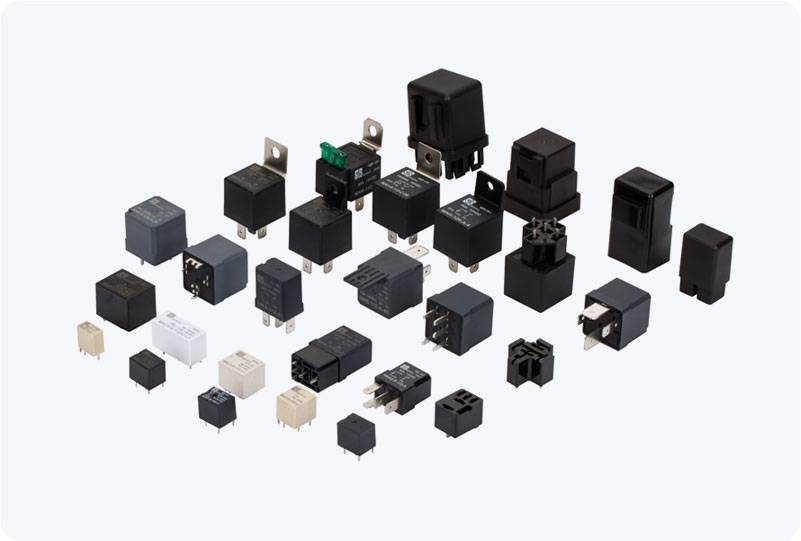
What is an Electric Vehicle High Voltage Relay? An Electric Vehicle High Voltage Relay is an electromechanical switch used in EVs to control the high-voltage circuits that connect the battery to various vehicle systems, such as the powertrain, the motor, and the charging system. These relays are designed to handle the high voltage (typically ranging from 200V to 800V or more) and currents necessary to power electric vehicles. The primary function of an EVHVR is to either connect or disconnect high-voltage circuits, providing a means to safely manage the flow of electricity between the battery and the vehicle’s power components.