Telecommunication relays are integral components of modern communication systems, ensuring the smooth transmission of signals over vast distances. These devices play a crucial role in amplifying, routing, and preserving the integrity of signals, enabling efficient communication between distant locations. In this article, we will explore the functionality, types, and significance of telecommunication relays in contemporary networks.
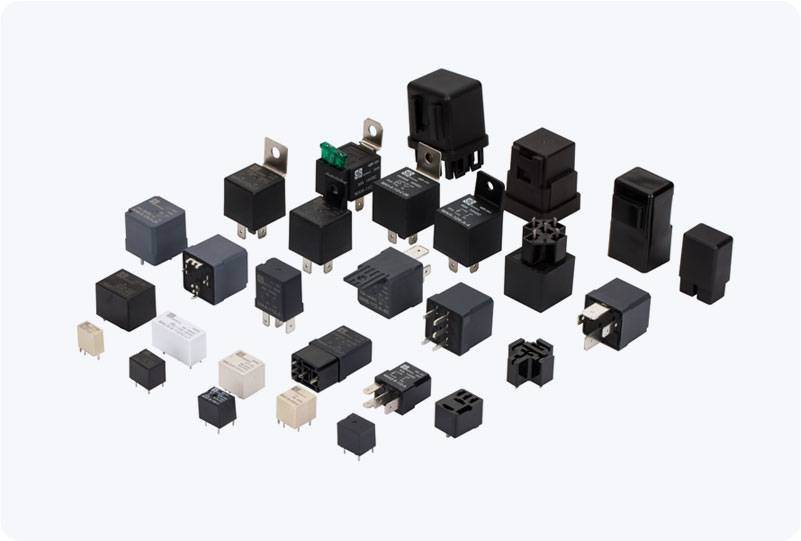
What is a Telecommunication Relay? A telecommunication relay is a device used in communication systems to transmit, receive, and sometimes amplify or switch signals between two or more locations. The main objective of a relay is to ensure that a signal, often distorted or weakened over long distances, reaches its destination without significant loss of quality or integrity. In the context of telecommunication, relays serve as essential building blocks for maintaining connectivity, especially in systems that span vast geographical areas or require high-speed data transmission. Key Functions of Telecommunication Relays