In the realm of electrical systems, ensuring safety and reliability is paramount. One critical component that addresses these concerns is the Optocoupler Protected Relay Module. This innovative module combines the functionality of a relay with the protective properties of an optocoupler, offering effective isolation between low-voltage control circuits and high-voltage switching circuits. This article explores the significance, features, and applications of the Optocoupler Protected Relay Module, emphasizing how it enhances the safety, efficiency, and versatility of electrical systems.
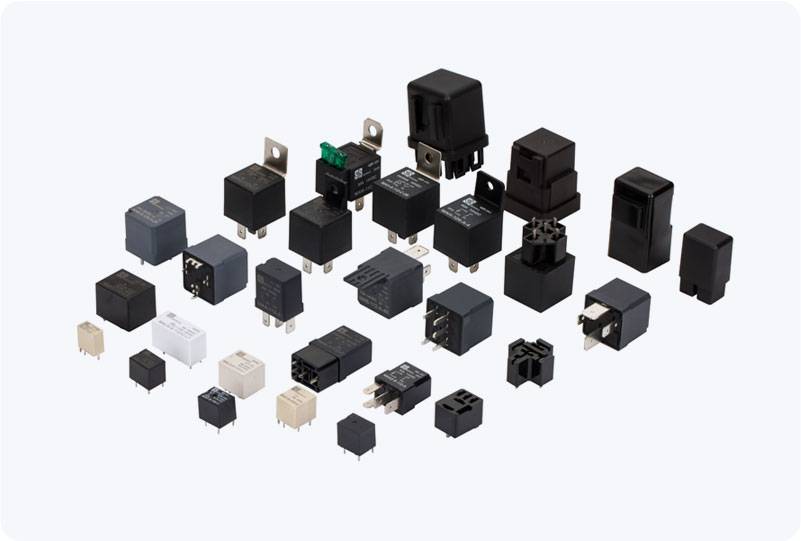
What is an Optocoupler Protected Relay Module? An Optocoupler Protected Relay Module is a specialized relay module that integrates an optocoupler for electrical isolation. The primary function of this module is to safely control high-voltage electrical circuits using low-voltage signals. The optocoupler acts as a barrier, transmitting control signals through light rather than direct electrical contact, which prevents potentially harmful high-voltage spikes from reaching the low-voltage control circuit. This isolation ensures the protection of delicate control electronics, such as microcontrollers and other digital devices, from electrical surges or faults in the high-voltage side.