Relay demonstrations serve as an essential tool in electrical engineering education and industrial training. By showcasing the practical applications of relays in electrical circuits, these demonstrations provide valuable insights into the workings of automated systems. In this article, we explore the concept of relay demonstrations, their basic principles, and their diverse applications in modern electrical systems.
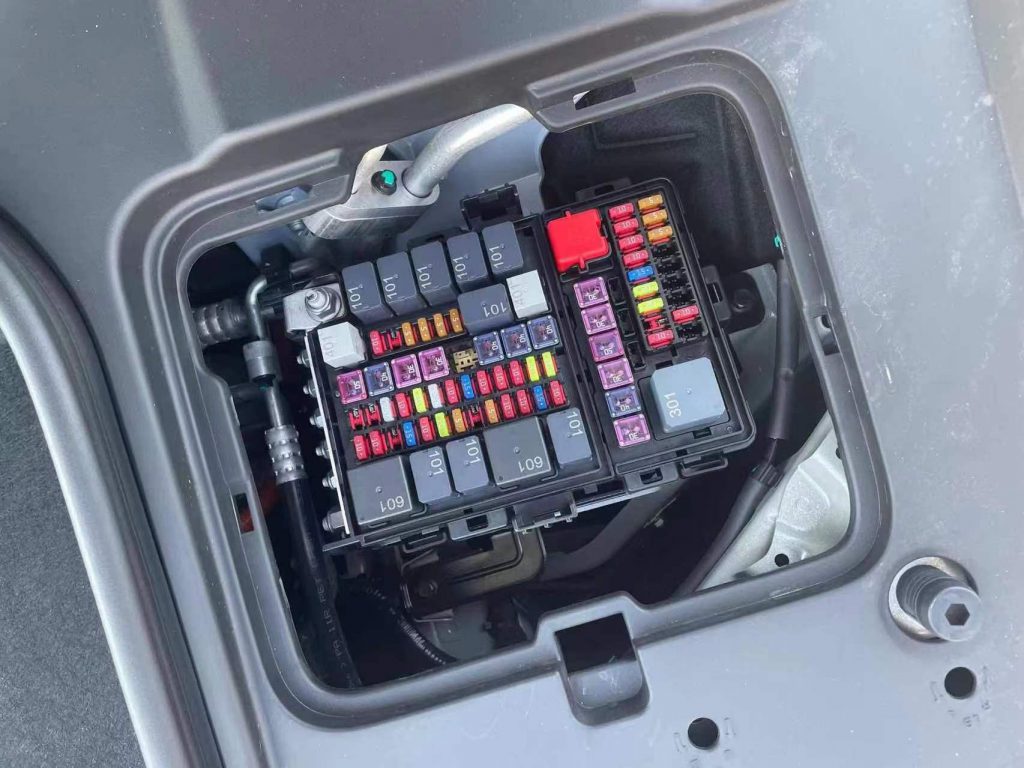
What is a Relay? A relay is an electrically operated switch that uses an electromagnet to open or close a circuit. Relays are widely used in various electronic and electrical devices to control a circuit remotely or automatically. When a small current flows through the coil of the relay, it generates a magnetic field that activates a switch, changing the state of the circuit. This mechanism is crucial in systems where physical switches would be impractical or dangerous, such as in high-voltage environments. The Role of Relay Demonstrations Relay demonstrations are designed to help students and professionals visualize the working of relays in real-time. These demonstrations allow learners to witness how relays control the flow of electricity, switching circuits on and off based on predetermined conditions. Such hands-on experiences make it easier for students to grasp complex concepts and understand how relays are integrated into larger systems.