A precharge relay is an essential component in many modern power electronics systems. It plays a crucial role in preventing electrical surges that could otherwise damage sensitive equipment. Often used in applications such as electric vehicles (EVs), uninterruptible power supplies (UPS), and inverters, the precharge relay ensures a smooth transition when powering up or engaging high-voltage systems. This article will explore the function, working principle, applications, and significance of precharge relays in various fields of electrical engineering.
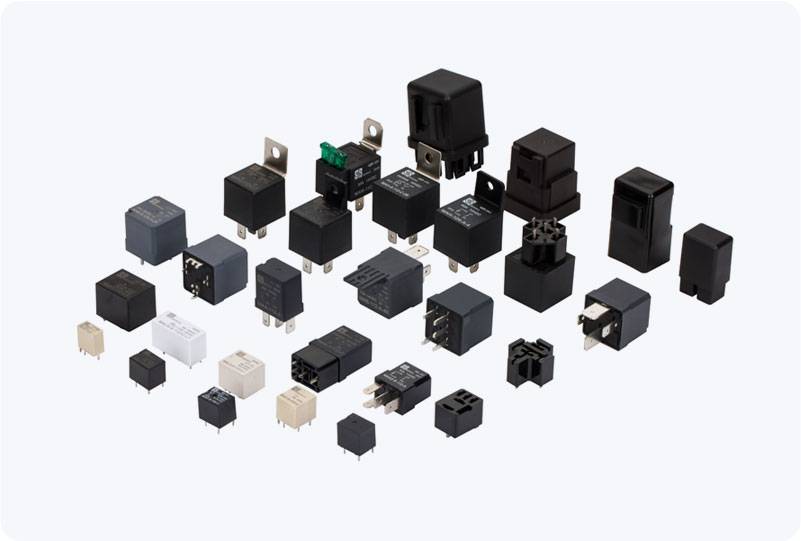
What is a Precharge Relay? At its core, a precharge relay is an electrical switch used to control the charging process of capacitors or batteries in high-power applications. Its primary function is to limit the initial inrush current when a system is powered on, thereby protecting the components from damage due to excessive current. The relay operates by first charging the capacitors or batteries gradually with a lower current, before allowing full power to flow to the circuit after the initial voltage stabilization. How Does a Precharge Relay Work? The operation of a precharge relay can be broken down into several key phases: