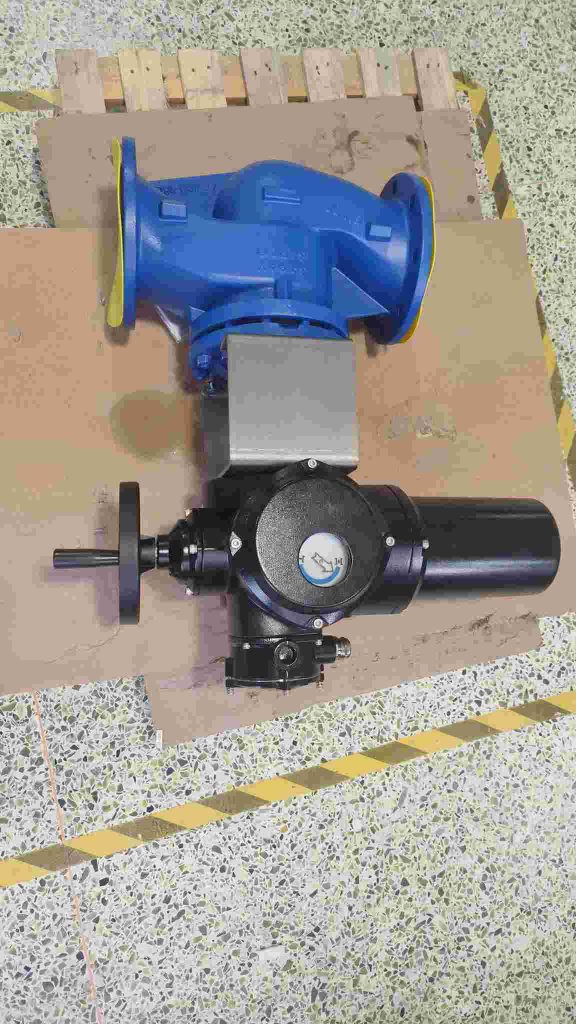
The WCB Electric Bellows Stop Valve is a critical component in fluid control systems, offering an effective solution for managing the flow of liquids and gases within various industrial applications. This type of valve is particularly valued for its versatility, reliability, and robust performance in challenging environments. In this article, we will explore the features, working principle, applications, and advantages of the WCB Electric Bellows Stop Valve, highlighting its importance in modern engineering systems.
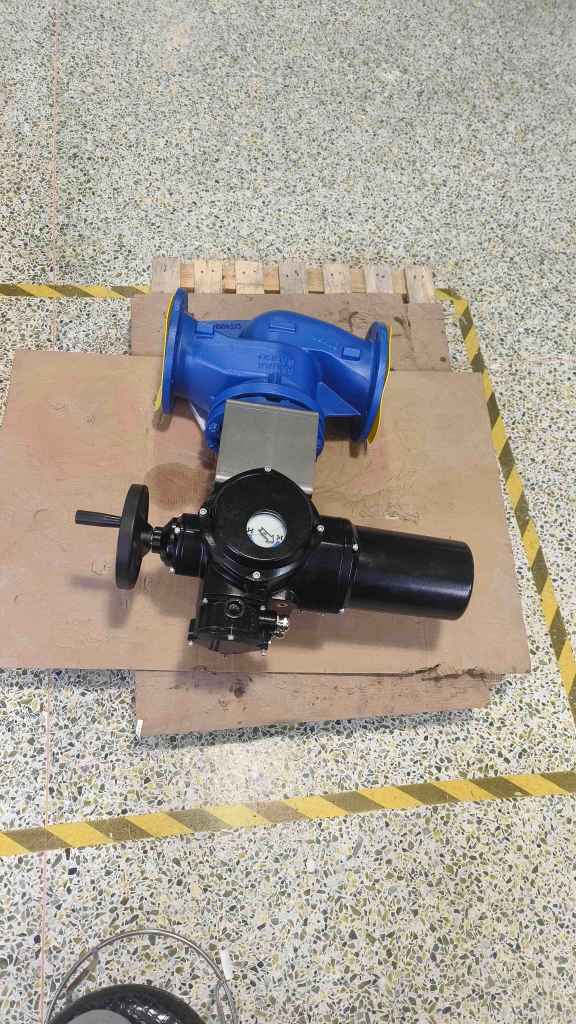
What is a WCB Electric Bellows Stop Valve?
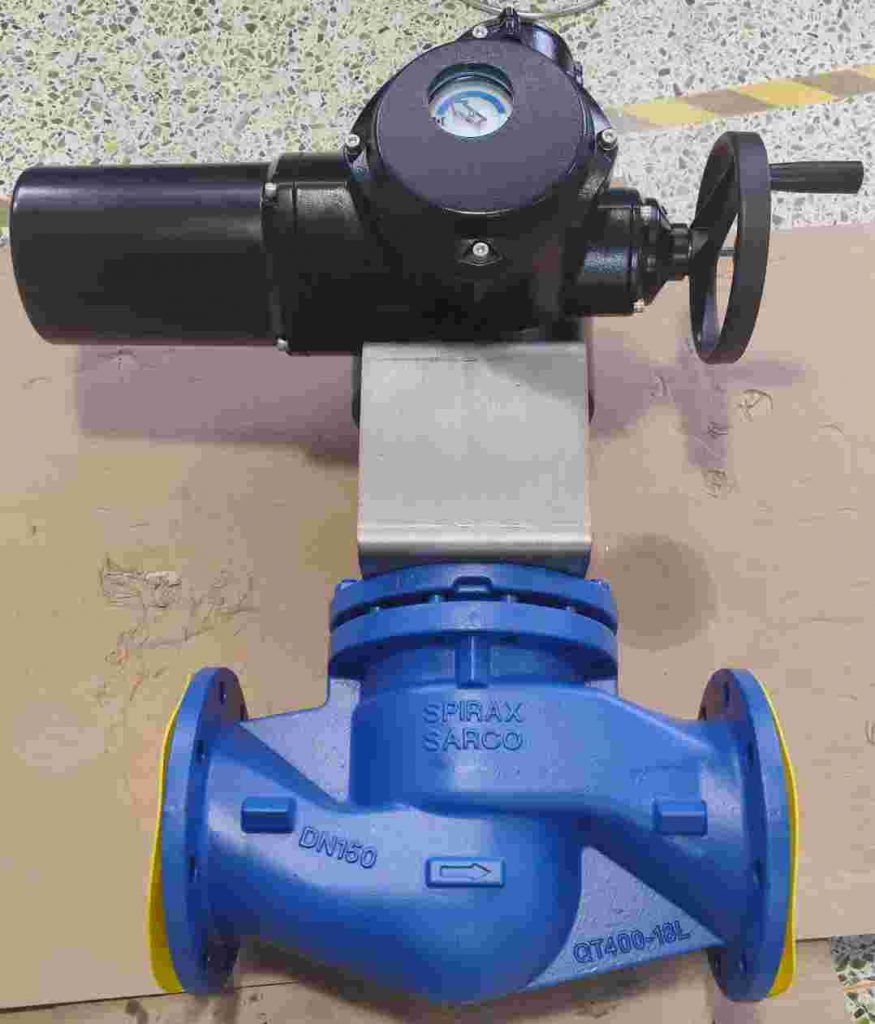
The WCB Electric Bellows Stop Valve is a specialized valve that combines the benefits of an electric actuator with the flexibility of a bellows-sealed design. It is designed to control the flow of fluid through pipelines while providing a high level of sealing efficiency. The “WCB” in its name refers to the material from which the valve body is made—WCB (Carbon Steel), which ensures durability and resistance to wear and tear, especially in high-pressure environments. The bellows component of this valve serves as a sealing mechanism that prevents any leakage, even under extreme conditions. This is crucial for applications where even the smallest leakage could lead to safety hazards, contamination, or inefficient operation. The electric actuator allows for automated control of the valve, making it an excellent choice for systems requiring precise flow regulation and remote operation.