A relay is a crucial component in electrical and electronic systems, functioning as an electrically operated switch that allows a small current to control a larger one. Among its many applications, the concept of relay load refers to the load that the relay’s contacts control. The load can range from simple resistive devices, such as light bulbs, to more complex inductive or capacitive loads like motors or transformers. Understanding relay load is vital for choosing the right relay and ensuring that the system operates efficiently and safely.
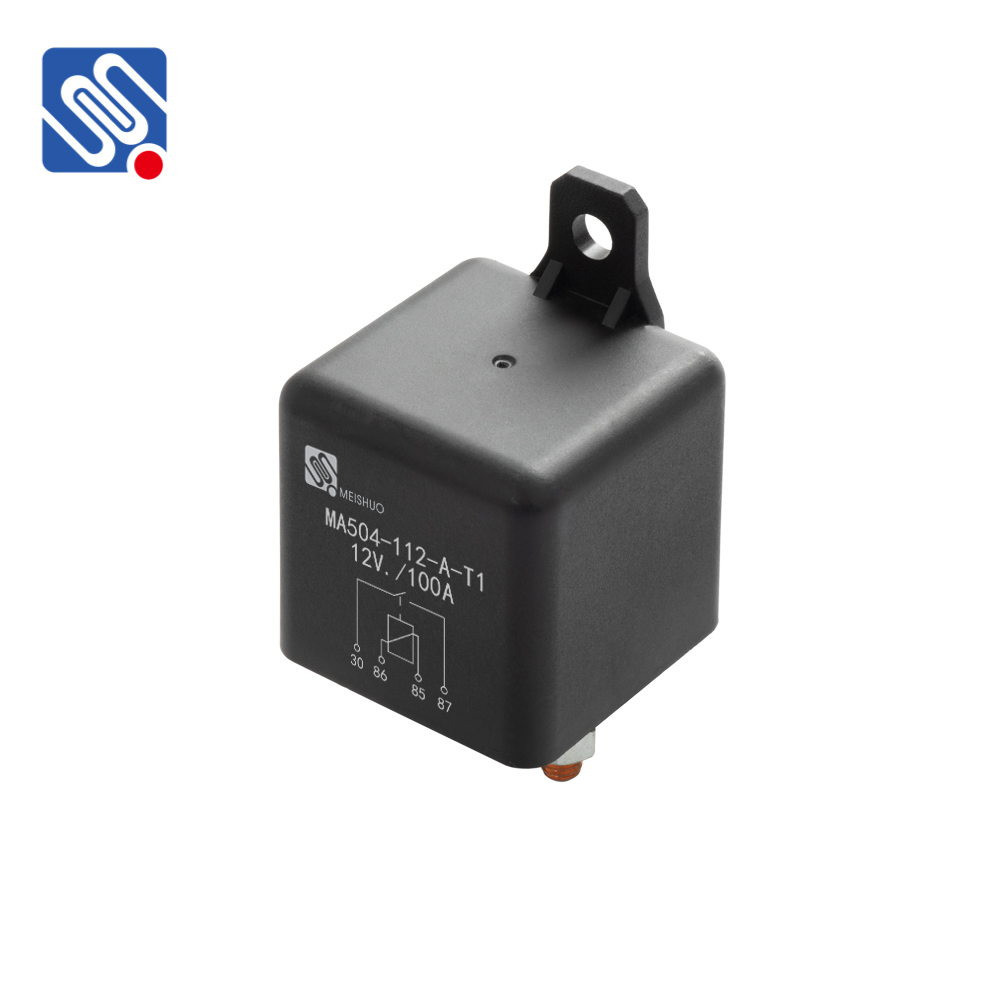
What Is Relay Load? Relay load refers to the electrical device or circuit that is controlled by the relay’s contacts when the relay is activated. A relay essentially switches the connection between its contacts, which can then either complete or interrupt the flow of current to the connected load. The type of load the relay controls has a significant impact on the performance of both the relay and the connected system. Types of Relay Loads Resistive Load A resistive load is one where the current flows in one direction, and there is no phase difference between the voltage and the current. Common examples include heating elements and incandescent light bulbs. These loads typically present minimal electrical challenges to the relay, as they do not generate back electromotive force (EMF) or other inductive effects.