A Direct Acting Solenoid Valve is a type of valve that is controlled directly by electromagnetic force, offering precise control of fluid flow without the need for additional pressure or mechanical assistance. This innovative technology is employed in a variety of systems that require efficient, fast, and accurate fluid control. In this article, we will explore the working principles of Direct Acting Solenoid Valves, their applications, advantages, and limitations.
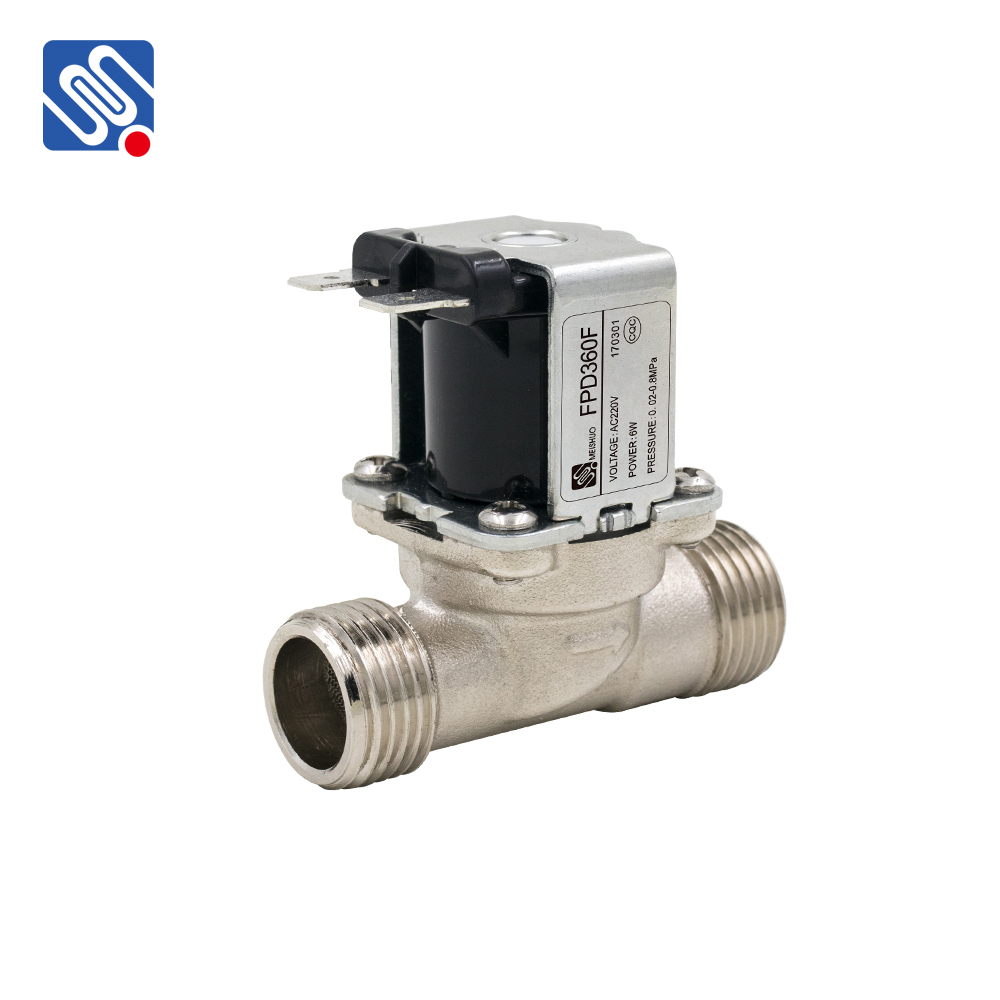
Principle of Operation The fundamental working principle of a Direct Acting Solenoid Valve is based on the interaction between an electric current and a magnetic field. When an electric current flows through the solenoid coil, it creates a magnetic field that pulls or pushes a plunger or armature. This movement of the plunger directly opens or closes the valve seat, regulating the flow of fluids or gases through the valve. The absence of any auxiliary force such as compressed air or hydraulic pressure differentiates this type of valve from others like pilot-operated solenoid valves. Direct Acting Solenoid Valves are typically used for small to medium flow applications. The solenoid’s magnetic field provides the necessary force to open or close the valve, making the design simpler and reducing the number of components. This means fewer chances of mechanical failure and a reduction in maintenance costs.