Relays are critical components in electrical and electronic systems, acting as switches to control the flow of electrical current. They are widely used in industries ranging from power distribution to automotive and telecommunications. One of the most significant aspects of relays is their safety features, which ensure the protection of equipment, systems, and individuals from potential hazards. This article explores the importance of relay safety features and their role in enhancing system protection and reliability.
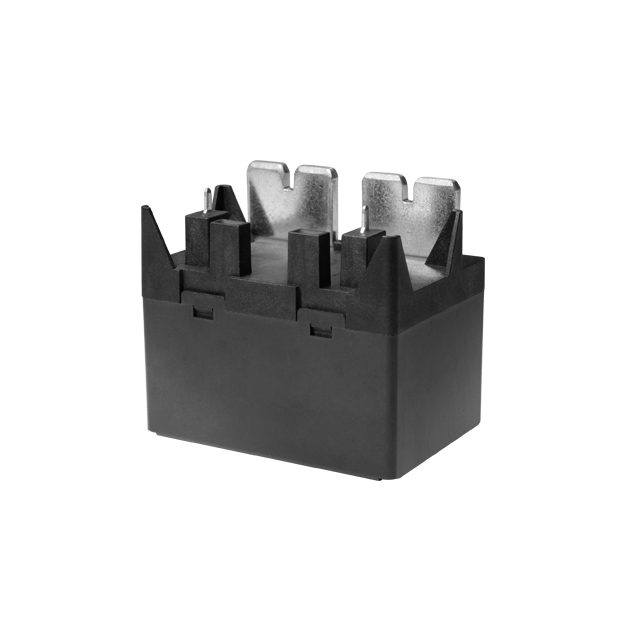
What Are Relay Safety Features? Relay safety features refer to the design elements and functionalities integrated into relays to prevent damage to electrical circuits, reduce the risk of electrical faults, and ensure proper operation of safety-critical systems. These features are particularly vital in systems that deal with high voltages or currents, where the failure of safety mechanisms can lead to equipment damage, operational downtime, or even dangerous conditions such as fires or electrical shocks. Common Types of Relay Safety Features Overcurrent Protection Overcurrent protection is one of the most essential safety features found in relays. It monitors the current flowing through the circuit and disconnects the load when the current exceeds preset levels. This is particularly important in preventing overheating of wires and equipment, which can lead to fires or permanent damage to components. Overcurrent relays typically come in two types: instantaneous and time-delayed. Instantaneous relays disconnect the load as soon as the current exceeds the threshold, while time-delayed relays allow a brief time period before triggering the disconnection, allowing for short-term current surges.