The IEC 61811 standard plays a crucial role in defining the performance, safety, and reliability of relays, especially time relays, used in industrial and electrical applications. This international standard, developed by the International Electrotechnical Commission (IEC), provides a comprehensive framework for the design, testing, and application of relays, ensuring they meet the necessary operational requirements across a wide range of conditions.
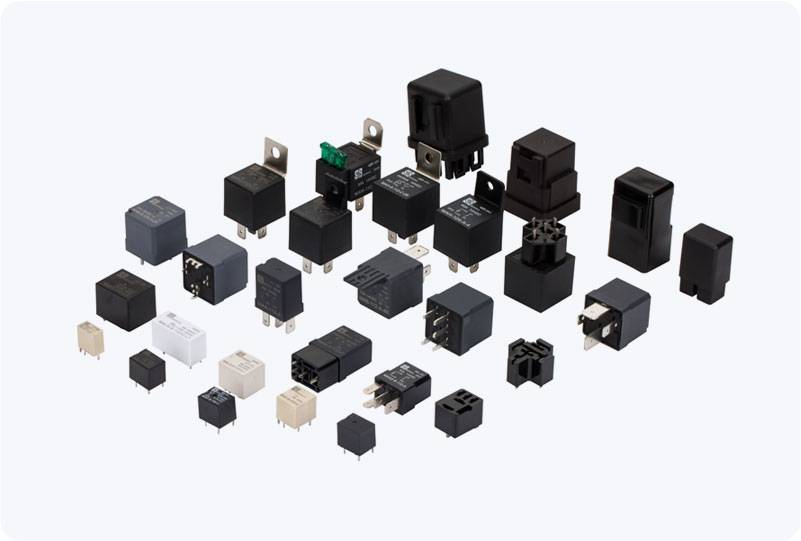
What is IEC 61811 Relay? IEC 61811 specifically refers to the standards set for time relays, which are integral components in control systems. Time relays are widely used in applications where specific actions need to occur after a set duration, such as controlling the timing of motors, lighting systems, or automation processes. The standard establishes various guidelines for ensuring the relays’ reliable performance and longevity. Performance and Functional Requirements At its core, IEC 61811 outlines the key performance and functional requirements for relays. The standard emphasizes accuracy, response time, and repeatability in relay operation. It dictates that relays must operate within a defined time frame and handle specified electrical loads without failure. The operation of the relay, whether it is closing or opening contacts, must occur within precise time intervals, which are critical in systems where timing is crucial.