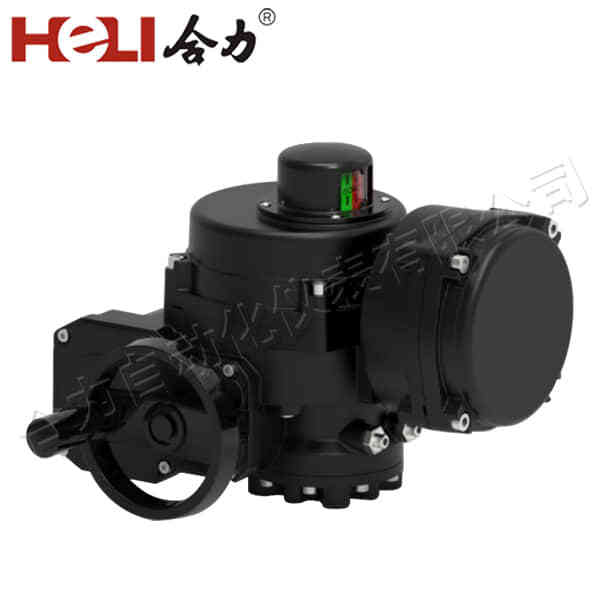
An electric actuator is a mechanical device that converts electrical energy into mechanical motion. It plays a crucial role in various industries by automating systems that require precise movement or control. By utilizing electric motors, electric actuators can generate either linear or rotary motion, which is essential for a range of applications, from valve control to robotic movements. This article explores the key components, working principles, applications, and advantages of electric actuators, highlighting their significance in modern automation systems.
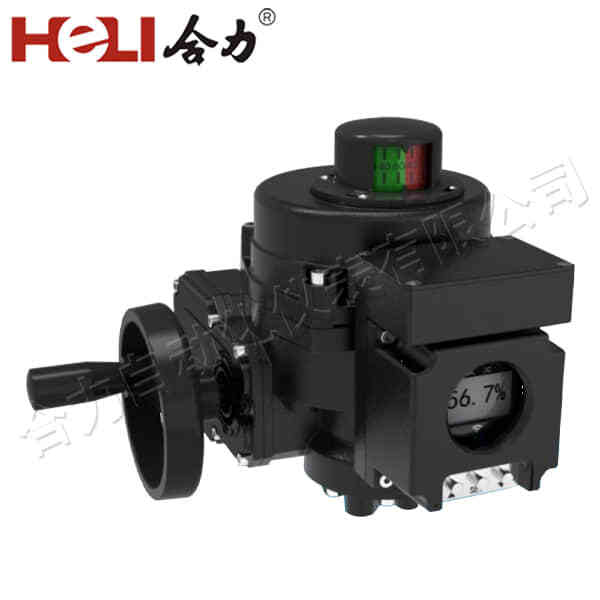
Key Components of Electric Actuators
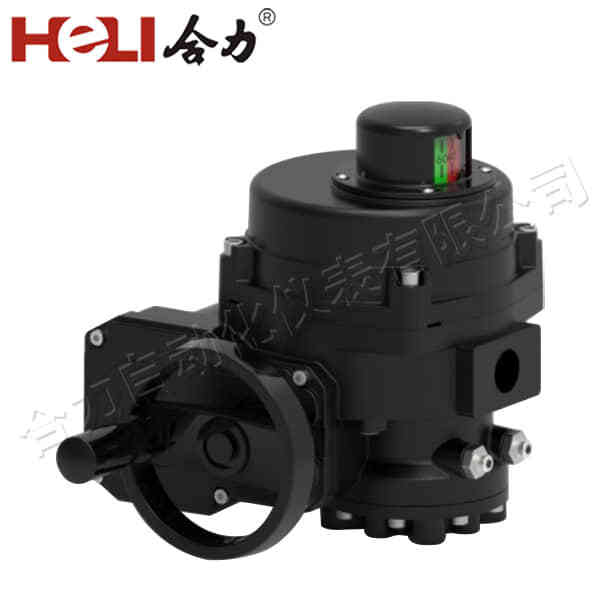
An electric actuator typically consists of several integral components that work together to achieve its intended purpose. These components include: Electric Motor: The motor is the heart of the actuator. It provides the necessary torque and rotational force. Electric motors used in actuators are often either direct current (DC) or alternating current (AC) motors, depending on the requirements of the application. Gearbox: The gearbox serves to reduce the speed of the motor while increasing the torque. It ensures that the actuator can generate sufficient force to perform tasks such as lifting, pushing, or turning.