AG Alloy Contact Relays are essential components in modern electrical systems, designed to perform reliable switching operations under various conditions. These relays use a specialized contact material, primarily made from silver alloys, which enhances their performance and durability, making them ideal for high-current and high-frequency switching applications. This article delves into the importance of AG Alloy Contact Relays, their working principles, applications, and the advantages they offer in the realm of electrical engineering.
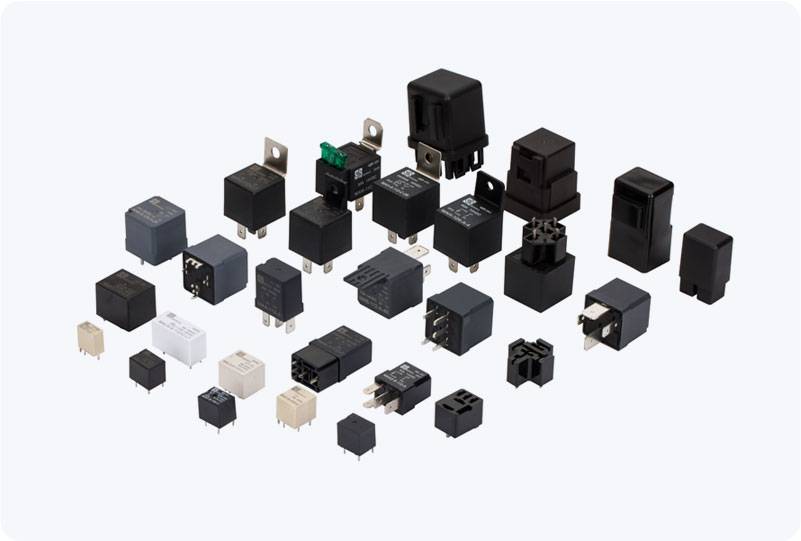
What is an AG Alloy Contact Relay? An AG Alloy Contact Relay is a type of electromechanical switch that uses silver alloy materials for its contacts. Silver, known for its excellent conductivity, is often alloyed with other metals such as nickel (AgNi) or tin oxide (AgSnO₂) to enhance specific properties like durability, resistance to wear, and ability to withstand high temperatures and electrical arcs. These relays are designed to open or close circuits, allowing the flow of electrical current based on input control signals. Materials and Construction The use of silver alloys for the contacts of these relays is crucial for their performance. The two most commonly used silver alloys in AG Alloy Contact Relays are: