A relay is an essential electronic component used in many electrical and automation systems. It functions as a switch that opens and closes a circuit in response to an electrical signal. A Relay 24V refers to a type of relay designed to operate with a 24-volt power supply. These relays are widely used in various fields, including industrial automation, home appliances, automotive systems, and much more. In this article, we will explore the functions, applications, and benefits of a 24V relay.
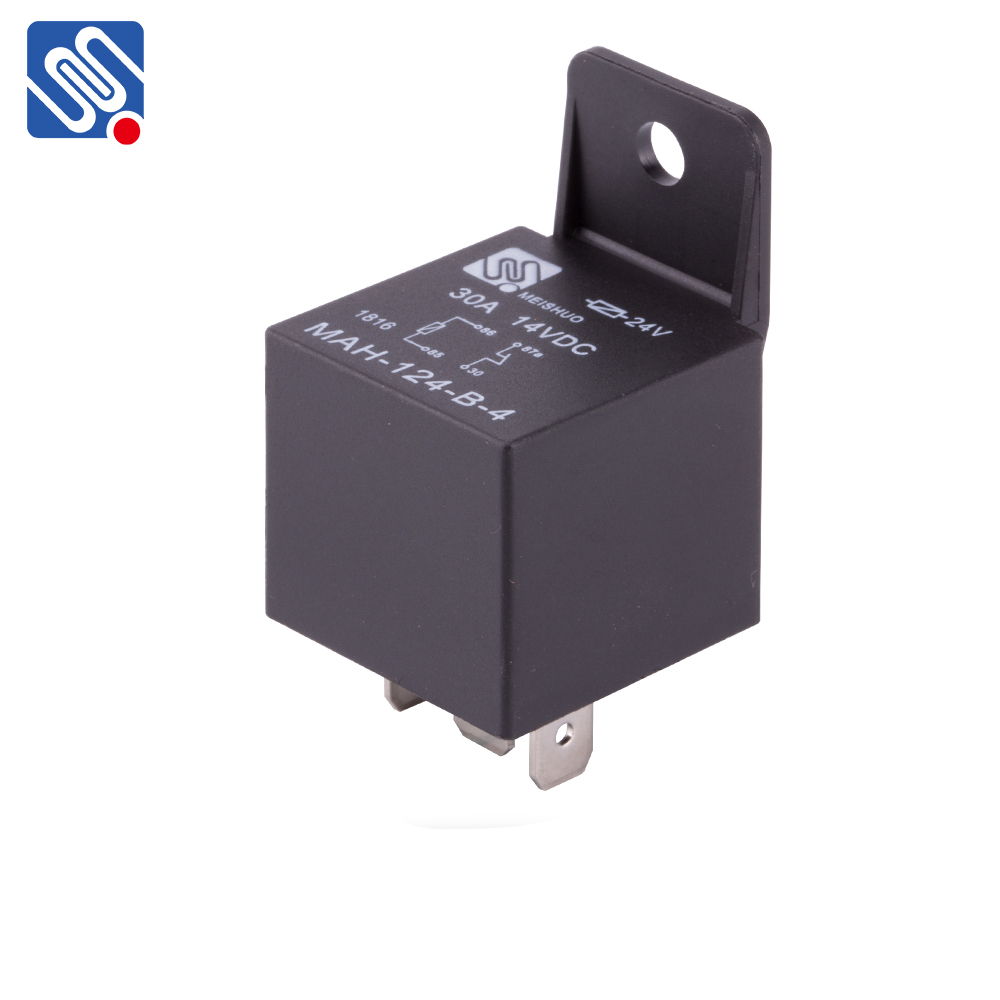
What is a Relay 24V? A relay is essentially an electromagnetic switch that allows a low-power signal to control a higher-power circuit. The 24V relay operates with a voltage of 24 volts, typically either DC (direct current) or AC (alternating current), depending on the design. The relay consists of several key components, including a coil, contacts (commonly open or closed), and an armature. When a voltage is applied to the coil, it creates a magnetic field that moves the armature, which in turn changes the state of the contacts. How Does a Relay 24V Work? The primary function of a 24V relay is to control the opening and closing of electrical contacts. When a 24V signal is applied to the relay’s coil, the coil generates a magnetic field. This magnetic field moves the armature, causing it to either close or open the contacts. If the relay is a Normally Open (NO) type, the contacts will close when the coil is energized, allowing current to flow through the load circuit. In contrast, a Normally Closed (NC) relay will open the contacts when energized, interrupting the current flow.