Relay installation is a crucial aspect of many electrical and automation systems. Relays serve as electrical switches that allow the control of circuits without direct physical contact, making them an essential component in industries such as automotive, telecommunications, industrial control, and home automation. This guide explores the fundamental steps involved in relay installation, providing insights on selecting, wiring, mounting, and testing a relay for optimum performance and safety.
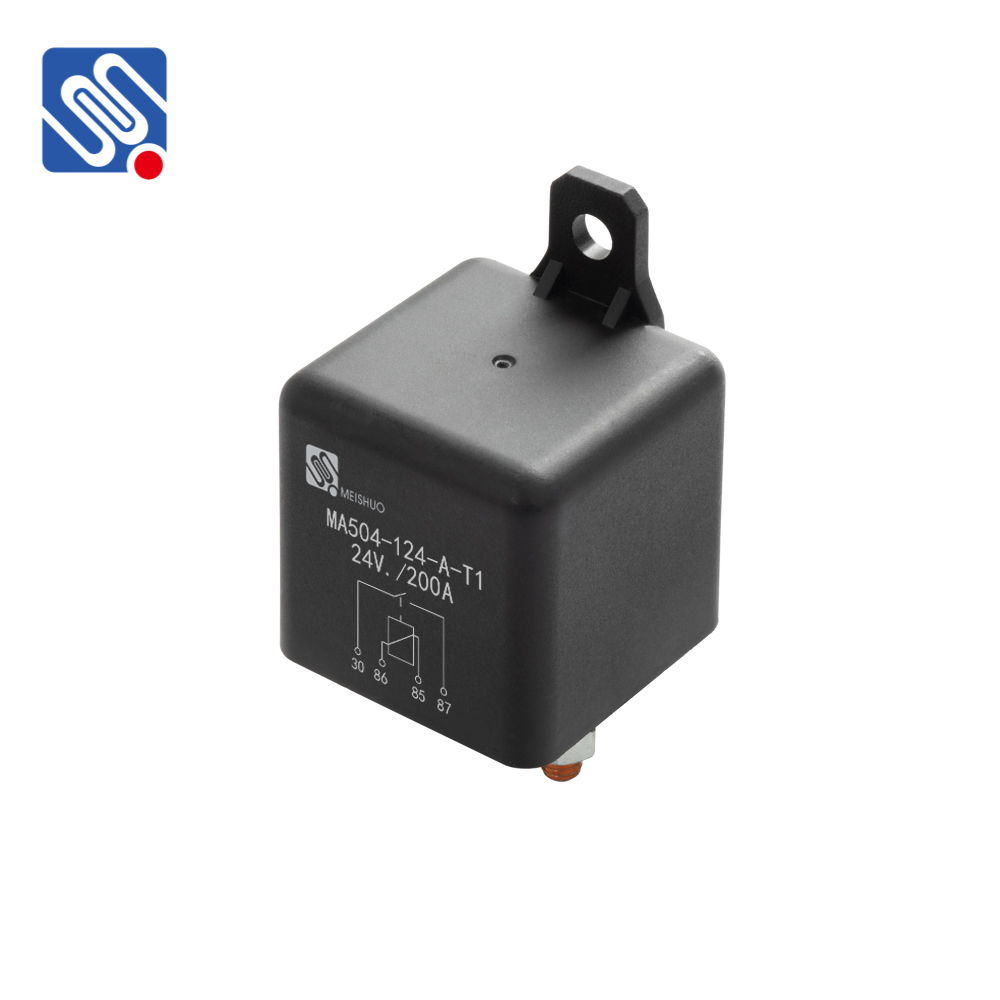
Understanding Relays and Their Role A relay is an electrically operated switch that uses an electromagnet to open or close contacts in a circuit. When current flows through the relay’s coil, it generates a magnetic field that either pulls a movable contact to close the circuit or releases it to open the circuit. Relays are widely used for switching high-power circuits with low-power control signals. They are integral in systems where automation, protection, and remote control are necessary, such as in motors, alarms, and electrical panels. Step 1: Selecting the Right Relay The first and most crucial step in relay installation is selecting the appropriate relay. There are several types of relays, and choosing the right one depends on factors such as voltage, current, contact configuration, and the type of control you need.