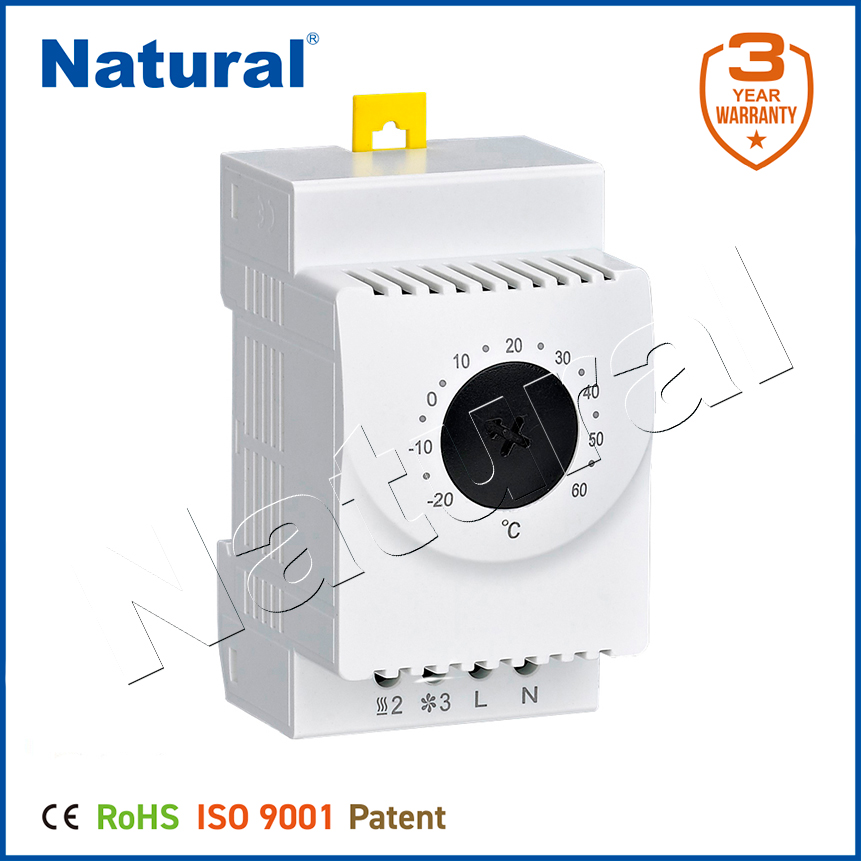
In recent years, the rise of smart home technologies has transformed how we interact with various devices within our homes. Among these innovations, the electronic thermostat has become a key player in energy management and comfort regulation. This device, which replaces traditional mechanical thermostats, offers a wide range of benefits, from enhanced energy efficiency to user-friendly programming features. In this article, we will explore the importance of electronic thermostats, their benefits, and how they are reshaping the way we control our indoor environments.
What is an Electronic Thermostat?
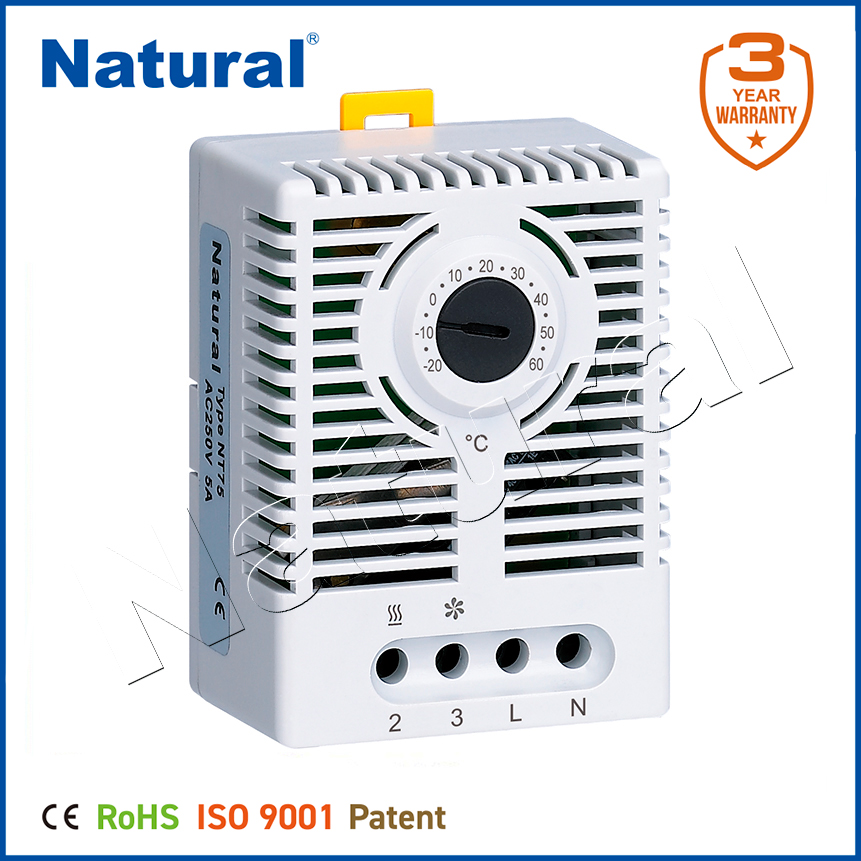
An electronic thermostat is a modern version of a traditional thermostat, designed to control the heating and cooling systems within a building. Unlike mechanical thermostats, which use physical components such as bimetallic strips to detect temperature changes, electronic thermostats rely on digital sensors and microprocessor technology to provide precise temperature control. These thermostats can be programmed to maintain a consistent temperature throughout the day or week, offering users the ability to create specific heating or cooling schedules. Electronic thermostats are commonly used in residential, commercial, and industrial settings. They can be easily installed and integrated with various types of HVAC systems, including central heating, air conditioning units, and underfloor heating. Their versatility and convenience have made them a popular choice for homeowners seeking smarter and more efficient ways to manage their indoor climate.