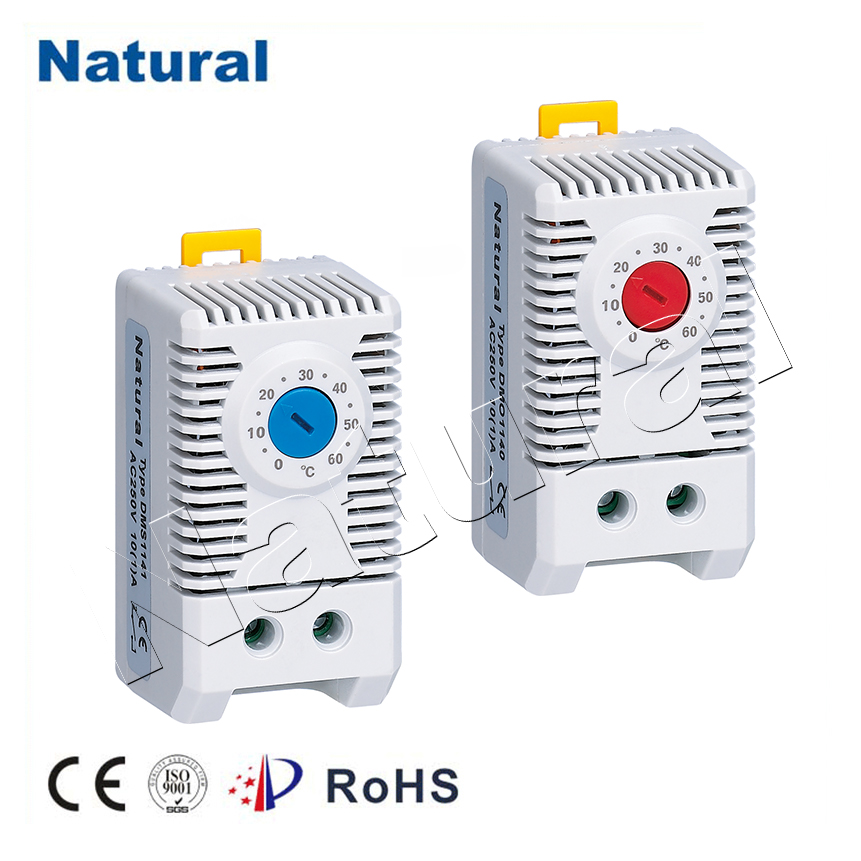
A 24V DC thermostat is an essential device in the control systems of heating, ventilation, and air conditioning (HVAC) setups, providing precise temperature regulation in both residential and commercial environments. Unlike traditional higher-voltage systems, the 24V DC thermostat is powered by a low voltage, typically derived from a 24V DC power supply, making it safer, more efficient, and ideal for managing temperature settings in various applications. This article will explore the features, benefits, applications, and working principles of 24V DC thermostats, showcasing their importance in today’s climate control systems.
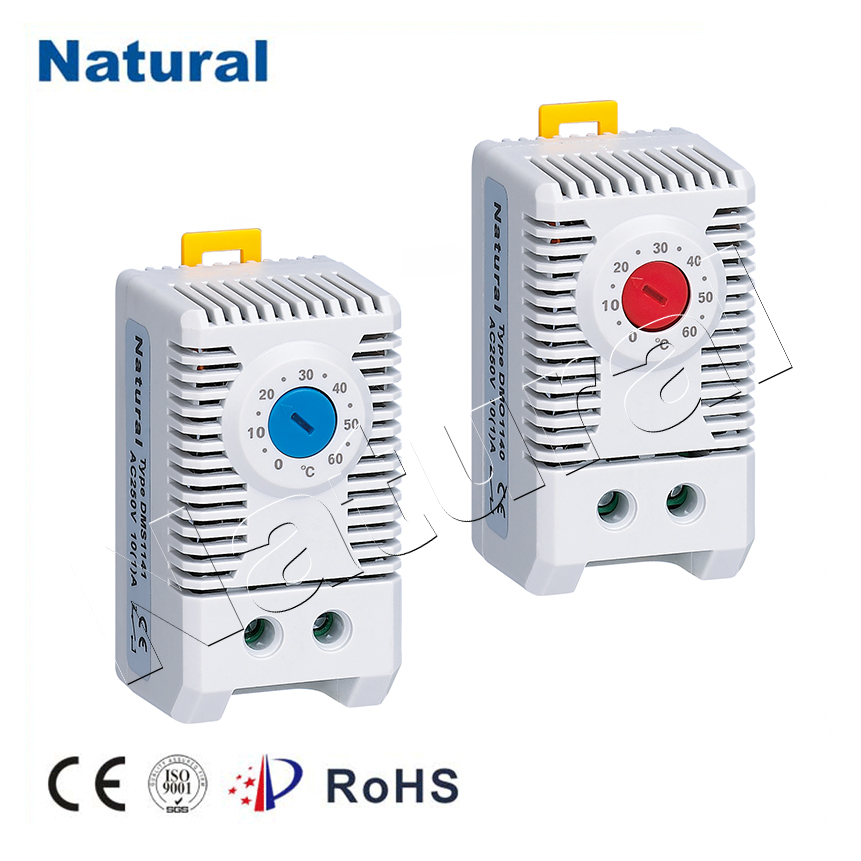
What is a 24V DC Thermostat?
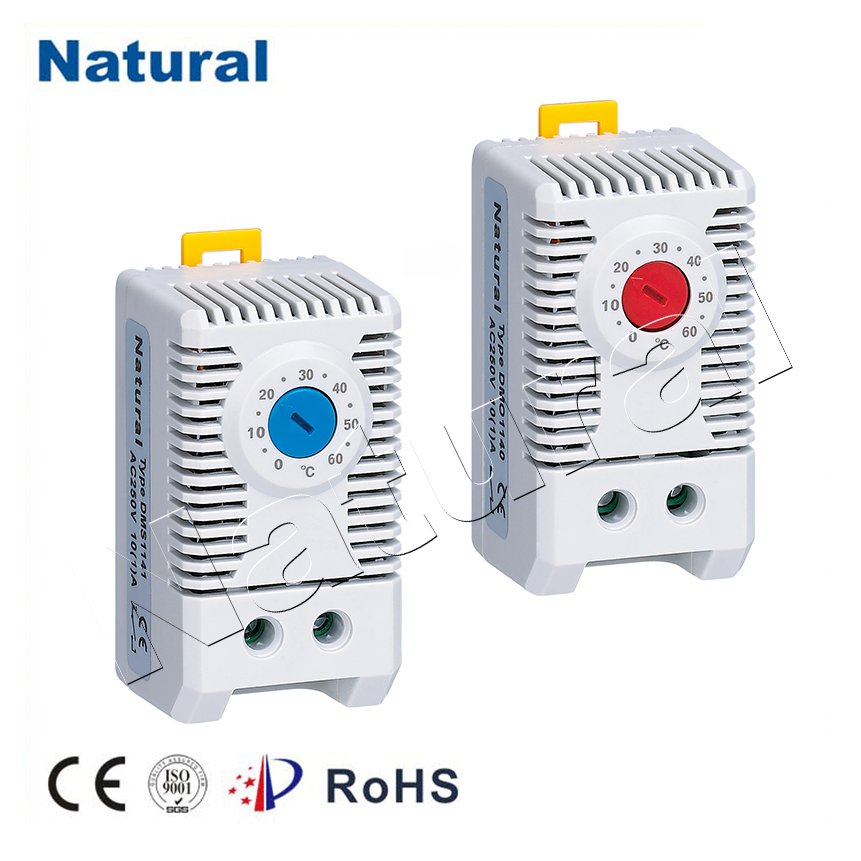
A 24V DC thermostat operates on a low 24V direct current, used primarily in modern HVAC systems to control heating and cooling appliances. This type of thermostat is designed to maintain a stable, comfortable temperature by automatically switching on or off heating or cooling units based on the temperature readings from the environment. It helps reduce energy consumption while ensuring a constant and comfortable indoor climate. These thermostats are particularly common in HVAC systems that use low-voltage control circuits, such as those found in residential central heating or air conditioning systems. The 24V DC thermostat serves as the central control unit that interacts with sensors, relays, and other components in the HVAC system.