In modern industrial automation, control systems are the backbone of operational efficiency. One key component that plays a crucial role in this field is the PLC Control Relay. As industries evolve, the demand for more efficient, reliable, and flexible control systems increases. The combination of Programmable Logic Controllers (PLC) and control relays has provided a robust solution for automating various industrial processes, from manufacturing to energy management.
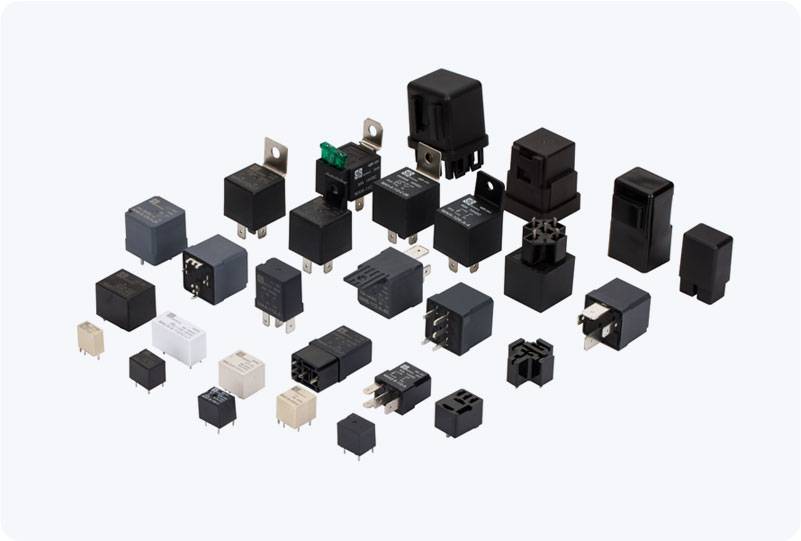
What is a PLC Control Relay? A Programmable Logic Controller (PLC) is a digital computer used for automation of industrial processes, such as control of machinery on factory assembly lines, amusement rides, or light fixtures. A control relay, on the other hand, is an electromechanical device used to control the switching of electrical circuits. The key function of a relay is to allow low-voltage signals to control high-voltage circuits. When PLCs and control relays are integrated, the PLC can control the relay, which in turn can switch various electrical components in the process. How Does PLC Control Relay Work?