Relay circuits are an essential component in electronics, serving as electromechanical switches that allow for the control of high-power or high-voltage devices using low-power signals. In this article, we will explore the fundamental concepts of relay circuit design, key components, operation principles, and important design considerations.
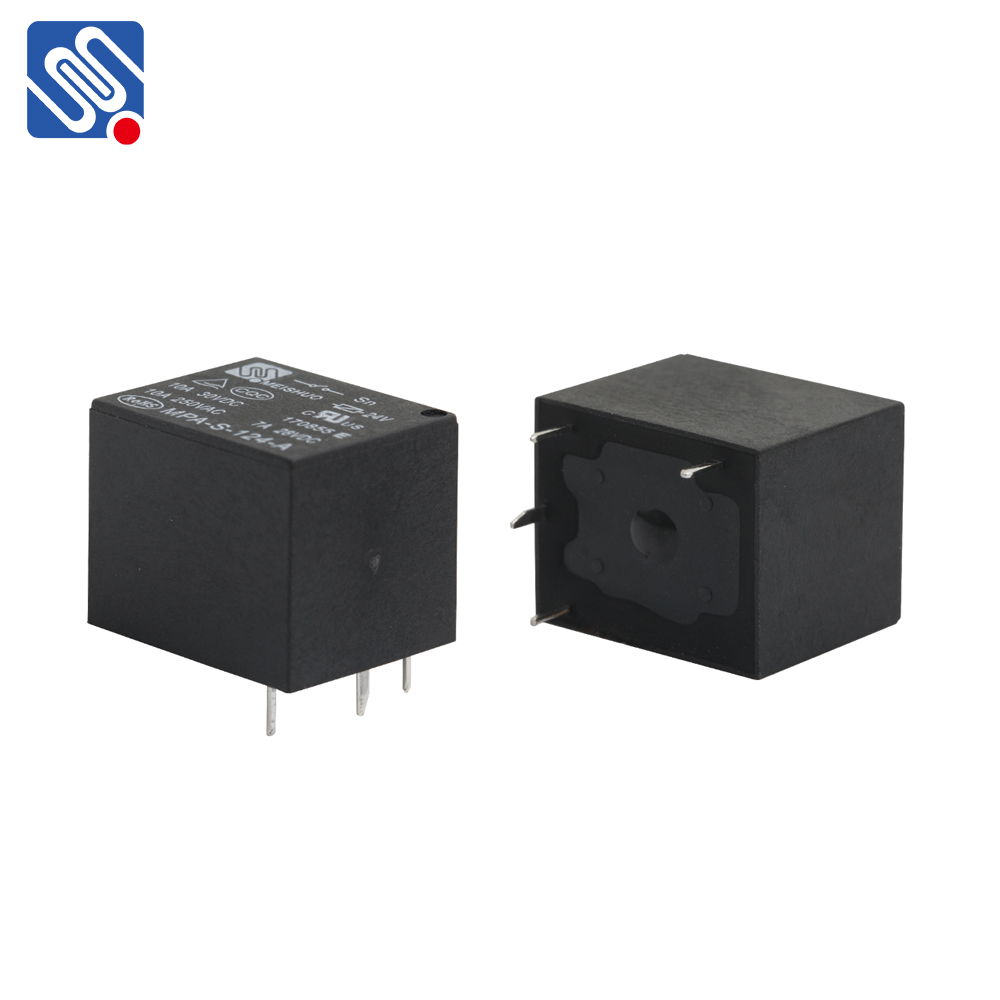
What is a Relay? A relay is an electrically operated switch that uses an electromagnet to control the opening and closing of electrical contacts. When a small control current flows through the coil of the relay, it creates a magnetic field that moves an internal armature. This movement changes the state of the relay’s contacts, allowing it to control the flow of current to a load. Relays are commonly used to switch between different circuits, enabling devices to control larger, more powerful systems. Key Components of a Relay Circuit Relay Coil (Electromagnet): The coil is the heart of the relay, producing a magnetic field when current passes through it. The energy stored in the magnetic field is used to pull the armature that controls the contacts.