General-purpose relays are versatile electromechanical devices that play a vital role in electrical control systems. These relays are designed to switch electrical circuits on or off, enabling the control of various electrical devices through low-power control signals. From industrial applications to home automation, general-purpose relays serve as the backbone of many control processes, making them indispensable in modern electrical systems.
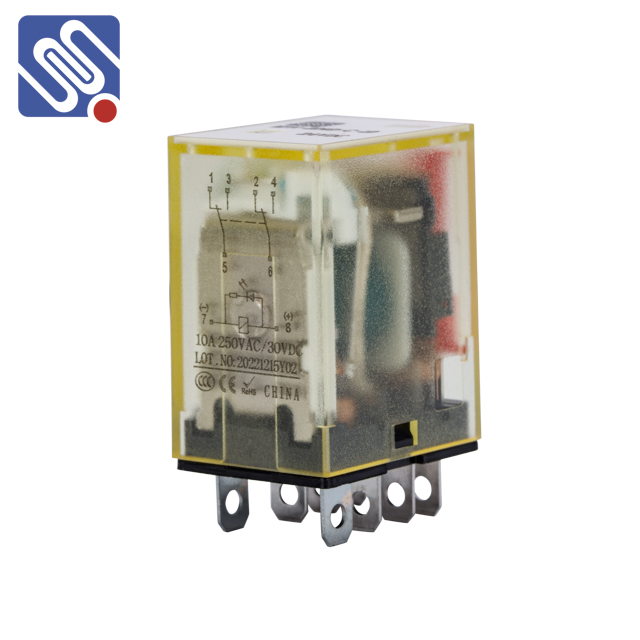
The Function and Working Principle A general-purpose relay works by using an electromagnetic coil to control one or more sets of contacts. When an electrical current passes through the coil, it generates a magnetic field that attracts a metal armature. This armature either closes or opens the relay’s contacts, completing or interrupting the circuit in turn. The relay is controlled by a low-voltage input, which makes it possible to switch on or off much larger electrical currents, providing the necessary isolation between the low-power control side and the high-power load side. There are typically two types of contacts in a general-purpose relay: Normally Open (NO) and Normally Closed (NC). When the relay coil is not energized, the NO contacts are open, and the NC contacts are closed. When the coil is energized, the NO contacts close and the NC contacts open, allowing current to flow through the load circuit.