A 12V 30A relay is an essential component used in various electrical and electronic systems, serving as a reliable switch to control higher power devices using a lower control voltage. This versatile device is widely used in industries ranging from automotive to home automation, providing a convenient and efficient means to manage high-current applications. In this article, we will explore the working principle, applications, advantages, and considerations when using a 12V 30A relay.
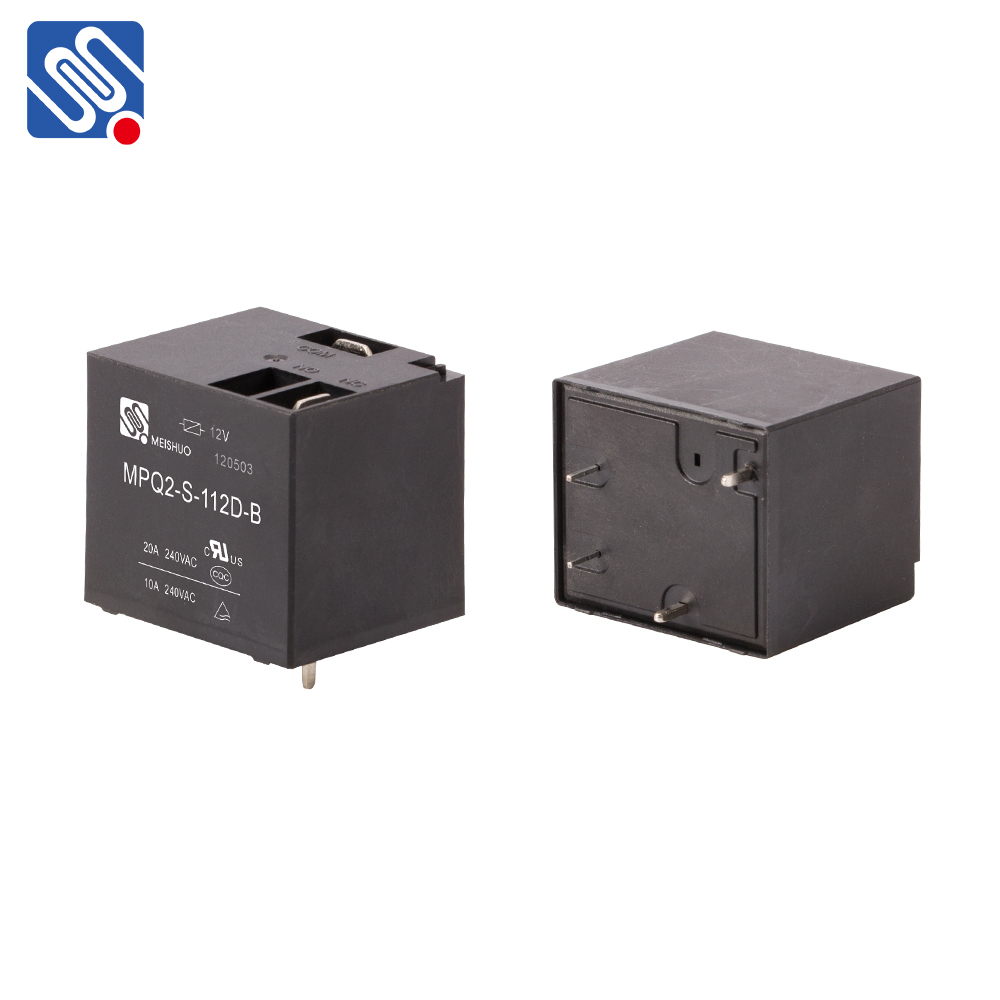
What is a 12V 30A Relay? A relay is an electrically operated switch that allows a low-voltage circuit to control a high-voltage one. The “12V” part of the name refers to the control voltage required to activate the relay, and the “30A” indicates the maximum current the relay can handle on the switched circuit. In simple terms, a 12V 30A relay allows a low-voltage control signal (12 volts) to switch a much higher current (up to 30 amps) in a connected device. A typical 12V 30A relay consists of several key components: Coil: The part of the relay that is powered by the 12V control signal.