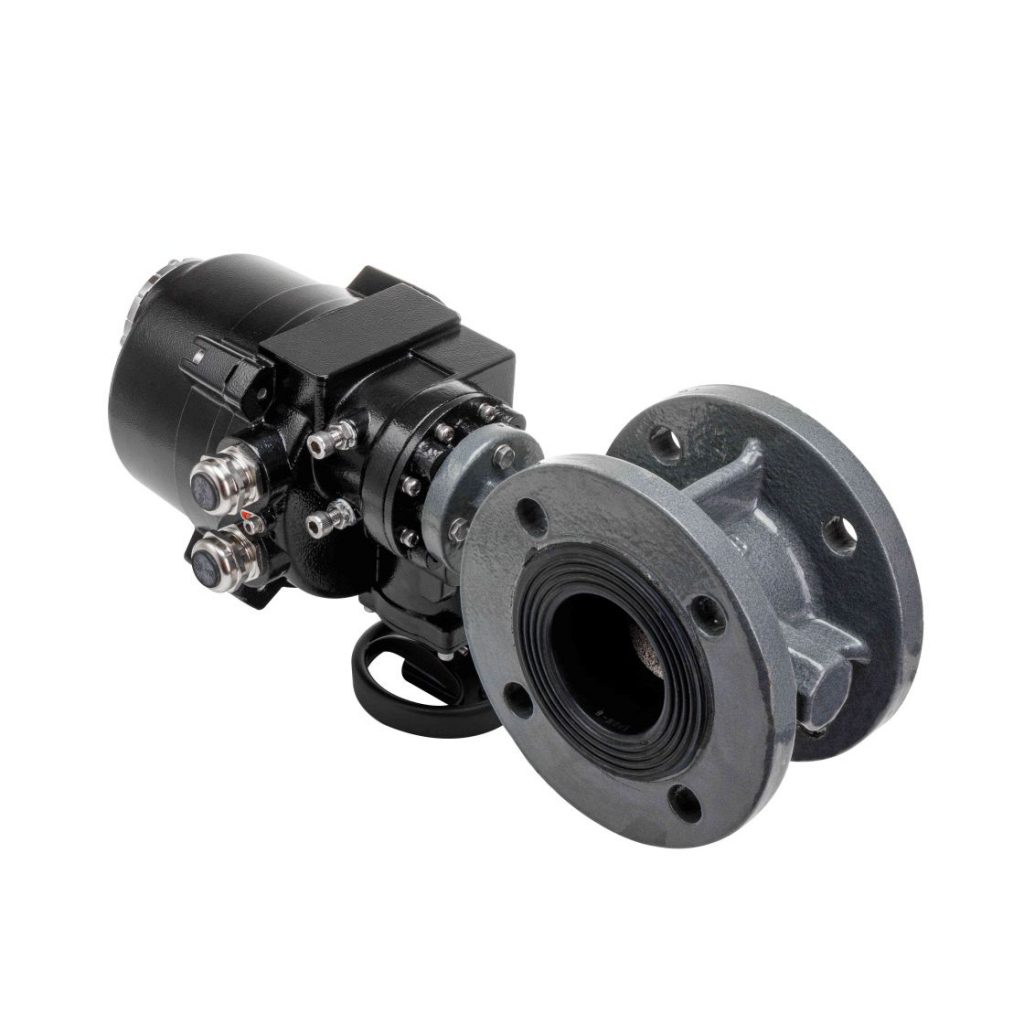
Marine electric ball valves are crucial components in the maritime industry, particularly in systems that require precise control of fluid flow. These valves combine advanced electric actuation technology with the reliable sealing capabilities of ball valve designs. This article delves into the key features, advantages, applications, and maintenance considerations associated with marine electric ball valves, highlighting their significance in modern marine engineering.
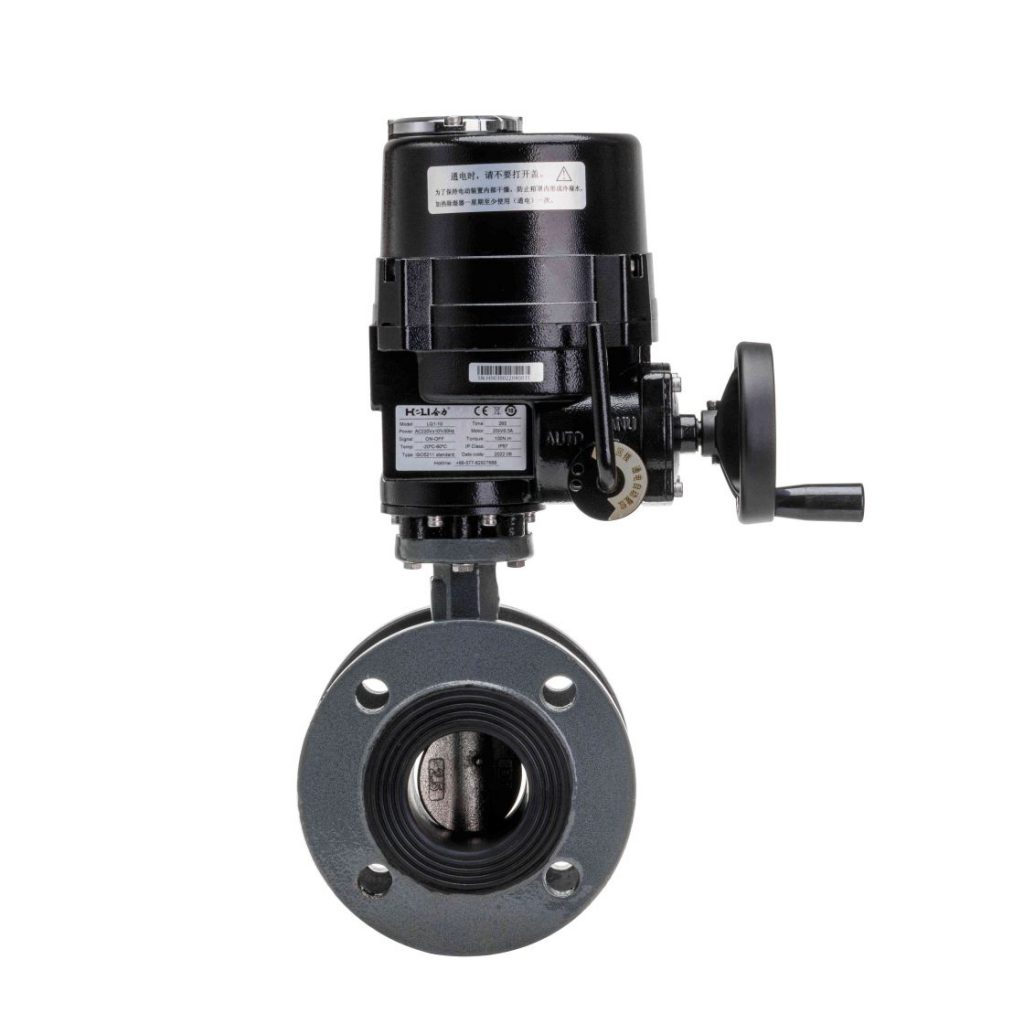
What is a Marine Electric Ball Valve?
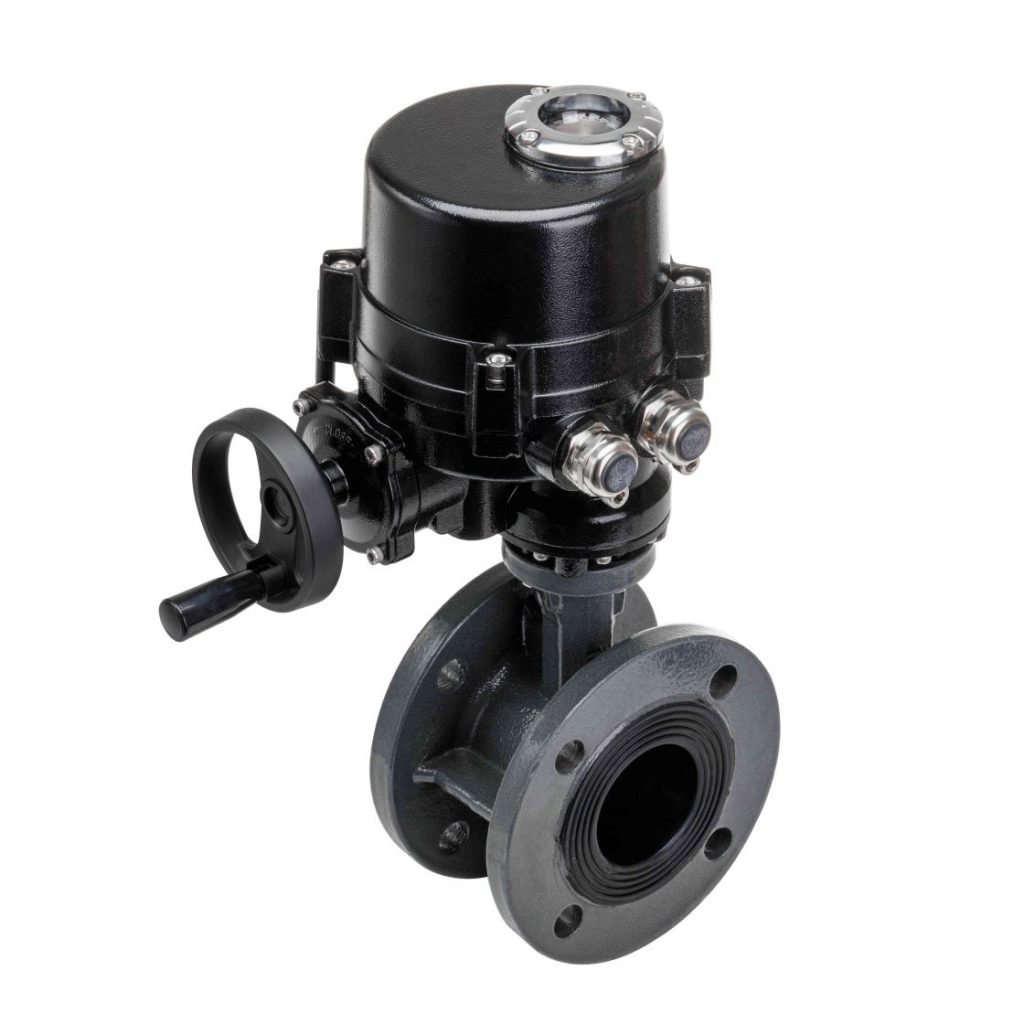
A marine electric ball valve is a type of valve that uses an electric motor to open or close the valve, which is controlled by a signal from a control system. The valve consists of a spherical ball with a hole (port) through its center. When the valve is open, the port aligns with the flow direction, allowing fluid to pass through; when closed, the ball turns 90 degrees to block the flow. This design provides a reliable and efficient means of regulating flow in various marine applications. Key Features of Marine Electric Ball Valves Durability: Marine electric ball valves are constructed from high-quality materials such as stainless steel, brass, or plastic, designed to withstand harsh marine environments, including saltwater corrosion and pressure variations.