The 30A High-Power Relay is a critical electrical component widely used in high-power applications where heavy electrical loads need to be controlled with a small, low-power signal. Its robust design and high current rating make it an ideal choice for use in automotive, industrial, and residential environments. This article will explore the functionality, characteristics, applications, and safety considerations of the 30A High-Power Relay.
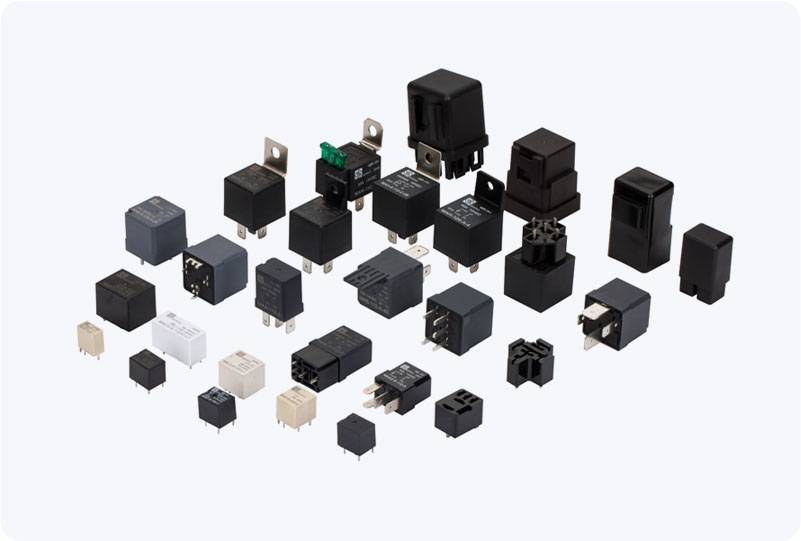
What is a 30A High-Power Relay? A 30A High-Power Relay is an electrically operated switch that allows a low-power control signal to switch a higher power circuit on and off. It is designed to handle currents up to 30 amperes, making it suitable for heavy-duty applications. The relay operates by using an electromagnet to open or close a set of contacts when an electrical signal is applied to its coil. These relays are available in both direct current (DC) and alternating current (AC) models, with different voltage ratings such as 12V, 24V, 48V DC, or 110V, 220V AC. The key function of this relay is to act as a high-power switch, allowing larger systems to be controlled by smaller, low-power electronic circuits. It’s crucial for situations where a device needs to switch high-power electrical loads but the controlling equipment is not designed to handle such power directly.