Understanding the Switch Relay: Functions, Types, and Applications
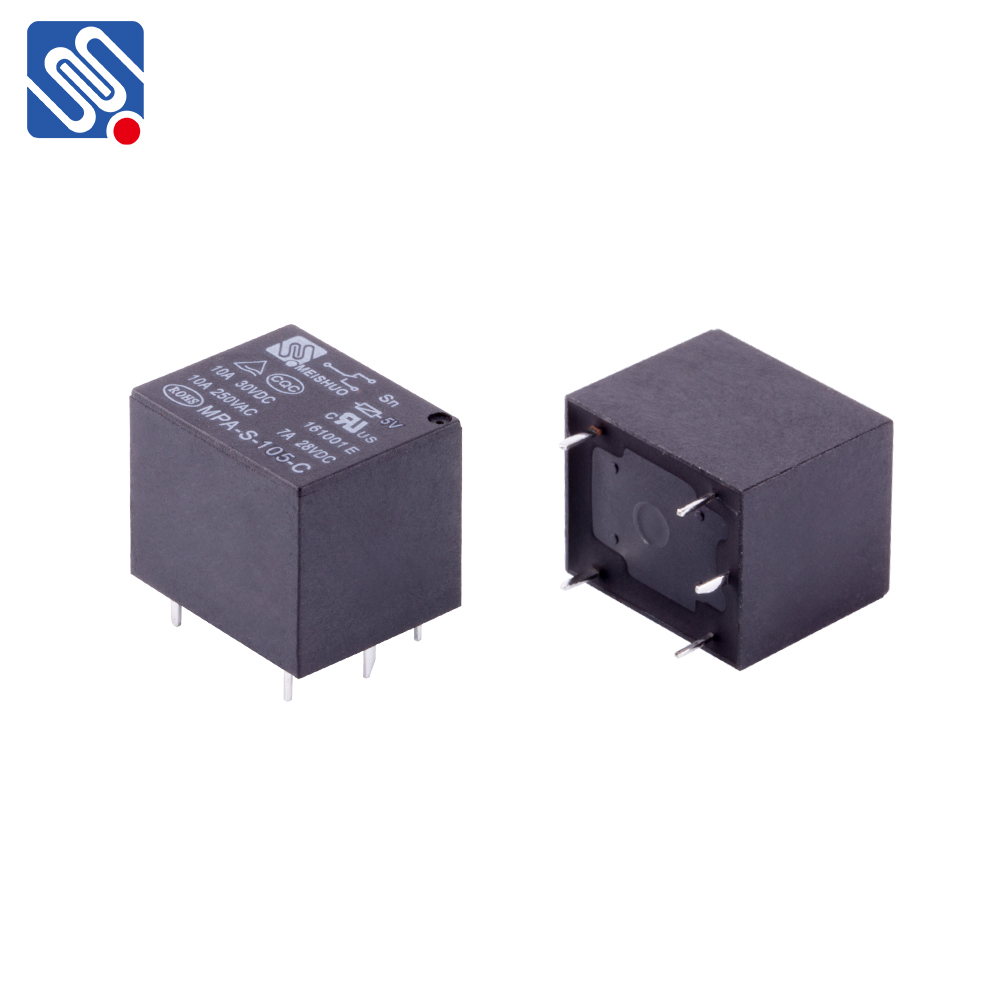
A switch relay is an essential component in modern electrical systems, widely used to control electrical circuits in various applications. It serves as an intermediary device that allows a low-power signal to control a high-power load, making it an invaluable tool in both industrial and residential settings. This article will delve into the basic functioning of switch relays, the different types available, and their wide-ranging applications in real-world scenarios. What is a Switch Relay? A switch relay, at its core, is an electrically operated switch. It consists of a coil (electromagnet), a set of contacts, and an armature. When an electrical current passes through the coil, it generates a magnetic field that moves the armature, causing the contacts to either open or close, depending on the relay’s design. This action allows the relay to control the flow of electricity in a connected circuit without requiring a direct physical connection between the controlling device and the load circuit.