Understanding Relay Current Rating: A Key Factor in Choosing the Right Relay
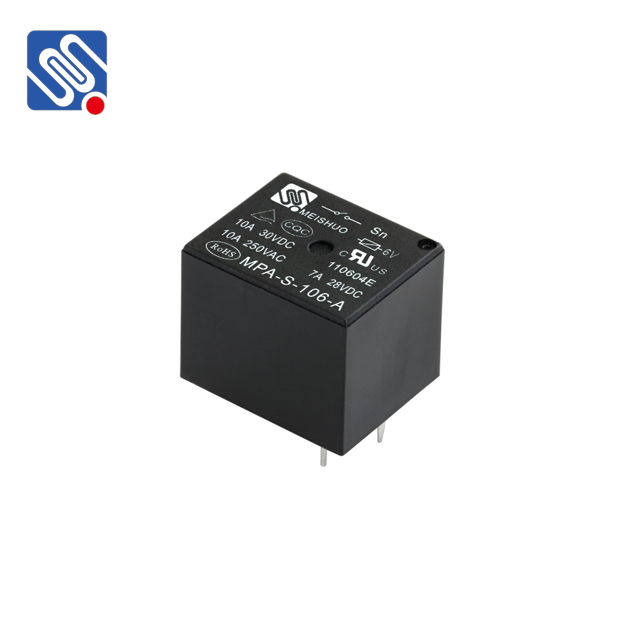
Relays are essential components in electrical systems, used for switching circuits on and off in response to a control signal. Whether in automotive, industrial, or home appliances, relays allow small control voltages to switch large current loads. A critical factor in selecting the right relay for a particular application is its current rating. This article will explore the importance of relay current ratings, the factors that influence them, and how to choose the appropriate relay for your needs. What is Relay Current Rating? The relay current rating refers to the maximum amount of current that a relay’s contacts can safely carry and switch without risking damage or failure. It is a key specification to ensure that the relay can handle the load it is controlling without overheating or burning out. Current ratings are typically provided for both resistive loads (like heating elements) and inductive loads (such as motors or solenoids), as the requirements can differ significantly.