Understanding PLC Control Relay: Key to Automation Efficiency
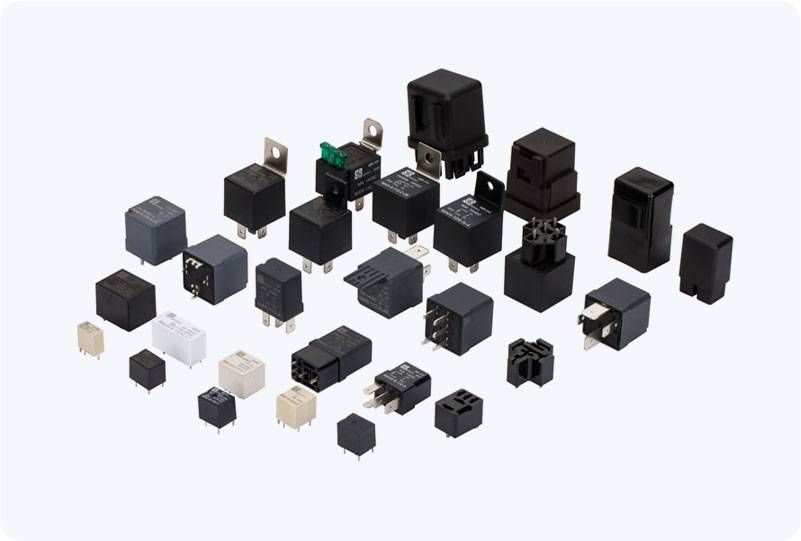
In modern industrial automation, the importance of Programmable Logic Controllers (PLC) cannot be overstated. These systems provide flexible, reliable, and efficient control solutions for a wide range of applications, from manufacturing processes to complex machinery operations. One of the most crucial components in the PLC system is the control relay. A PLC Control Relay plays an essential role in translating the instructions from the PLC program into physical actions, ensuring smooth operation in automated environments. What is a PLC Control Relay? A PLC Control Relay is an electromechanical device that acts as a switch to control electrical circuits in an automation system. It is connected to the PLC’s output module, which sends a signal to the relay to open or close contacts, thus enabling or disabling the flow of current to connected devices or equipment. These relays are used for controlling motors, lights, valves, conveyors, and other machinery, depending on the application.