Understanding Latching Relay: Principles, Applications, and Benefits
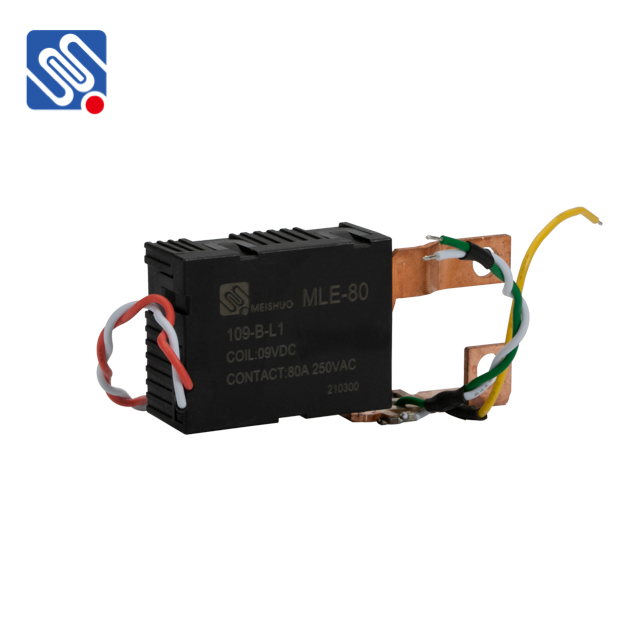
A latching relay is a unique type of relay that differs from standard relays by its ability to retain its state without the need for continuous power supply. In other words, once the relay is triggered into one of its two stable positions, it stays in that position even after the control signal is removed. This article aims to explain the working principles, applications, and benefits of latching relays, as well as their importance in various fields of electronics and automation. What is a Latching Relay? A latching relay, sometimes referred to as a “bistable relay,” is an electromechanical switch that uses a mechanical latch to retain its position. Unlike a traditional relay, which requires continuous current to hold a contact in place, a latching relay only needs a brief pulse to switch between two stable states: latched and unlatched. Once in a specific state, the relay stays there without needing any additional power to maintain it. The state can only be changed by applying a specific control signal.