Understanding the Electromechanical Relay: A Crucial Component in Electrical Systems
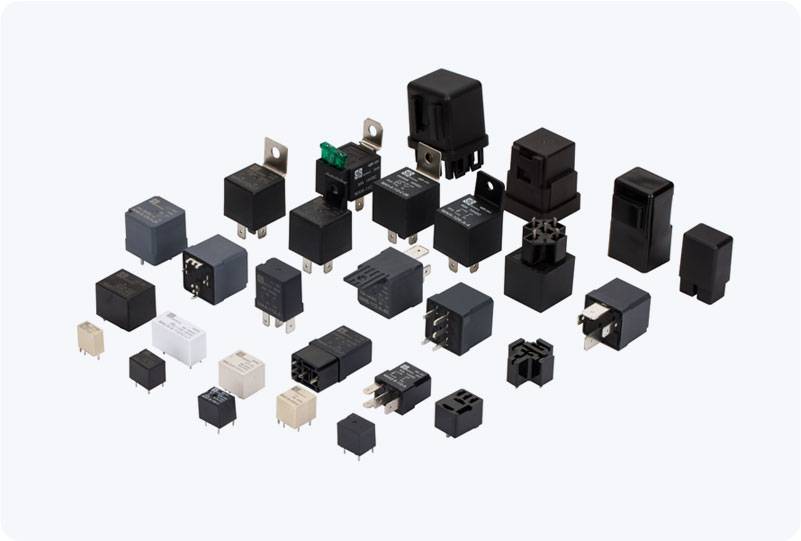
An electromechanical relay is a fundamental device that plays a crucial role in electrical systems, helping control circuits by opening and closing contacts. Despite the rise of solid-state relays, electromechanical relays (EMRs) remain popular due to their simplicity, reliability, and ability to handle higher currents. This article delves into the structure, working principle, types, applications, and advantages of electromechanical relays. Structure and Components of an Electromechanical Relay An electromechanical relay consists of several key components: Electromagnet (Coil): The heart of the relay, the electromagnet is a coil of wire wound around a ferromagnetic core. When current flows through this coil, it generates a magnetic field.