Understanding Automotive Relay: Essential Components for Automotive Electrical Systems
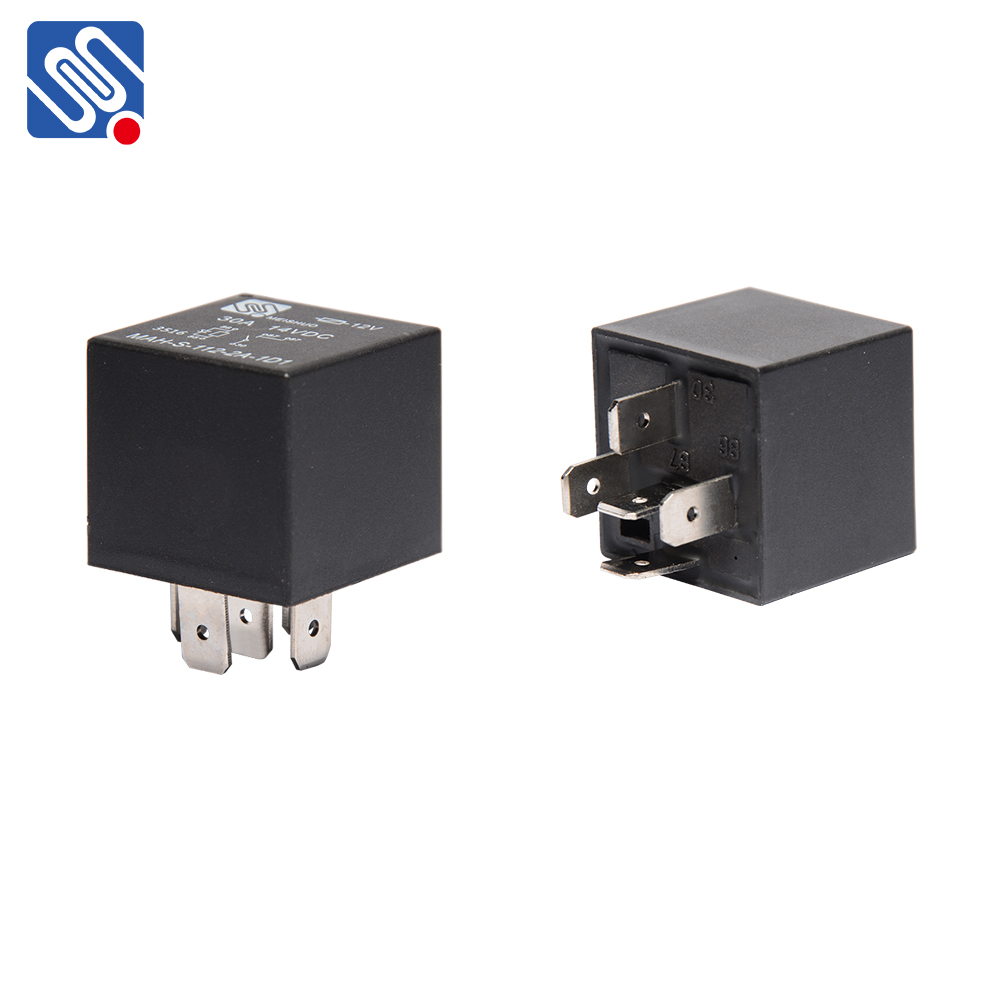
Automotive relays play a crucial role in modern vehicles, acting as electrical switches that allow low-power circuits to control high-power circuits. These components are indispensable in ensuring that various automotive systems, such as lights, windows, and starter motors, function efficiently. This article delves into the significance, types, and applications of automotive relays, providing a comprehensive understanding of their importance in automotive electrical systems. What is an Automotive Relay? An automotive relay is an electromagnetic switch used to control the flow of electrical current within a circuit. By using a small current to control a larger current, relays make it possible to switch on and off various components within a vehicle, such as headlights, power windows, and other high-powered electrical systems. The relay consists of an electromagnet, a spring-loaded arm, and electrical contacts. When an electric current flows through the electromagnet, it creates a magnetic field that pulls the arm, either opening or closing the contacts to complete the circuit.